
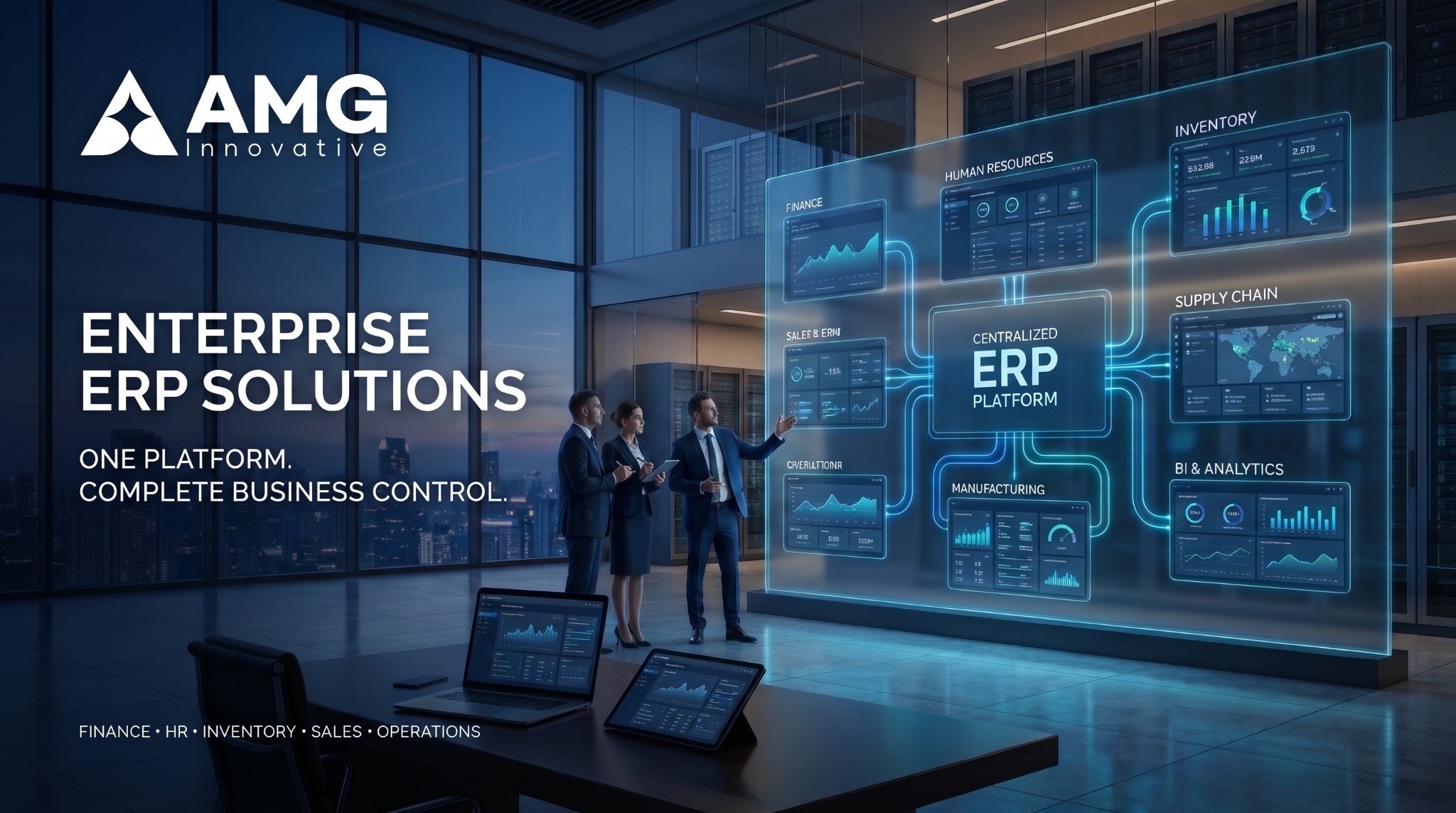

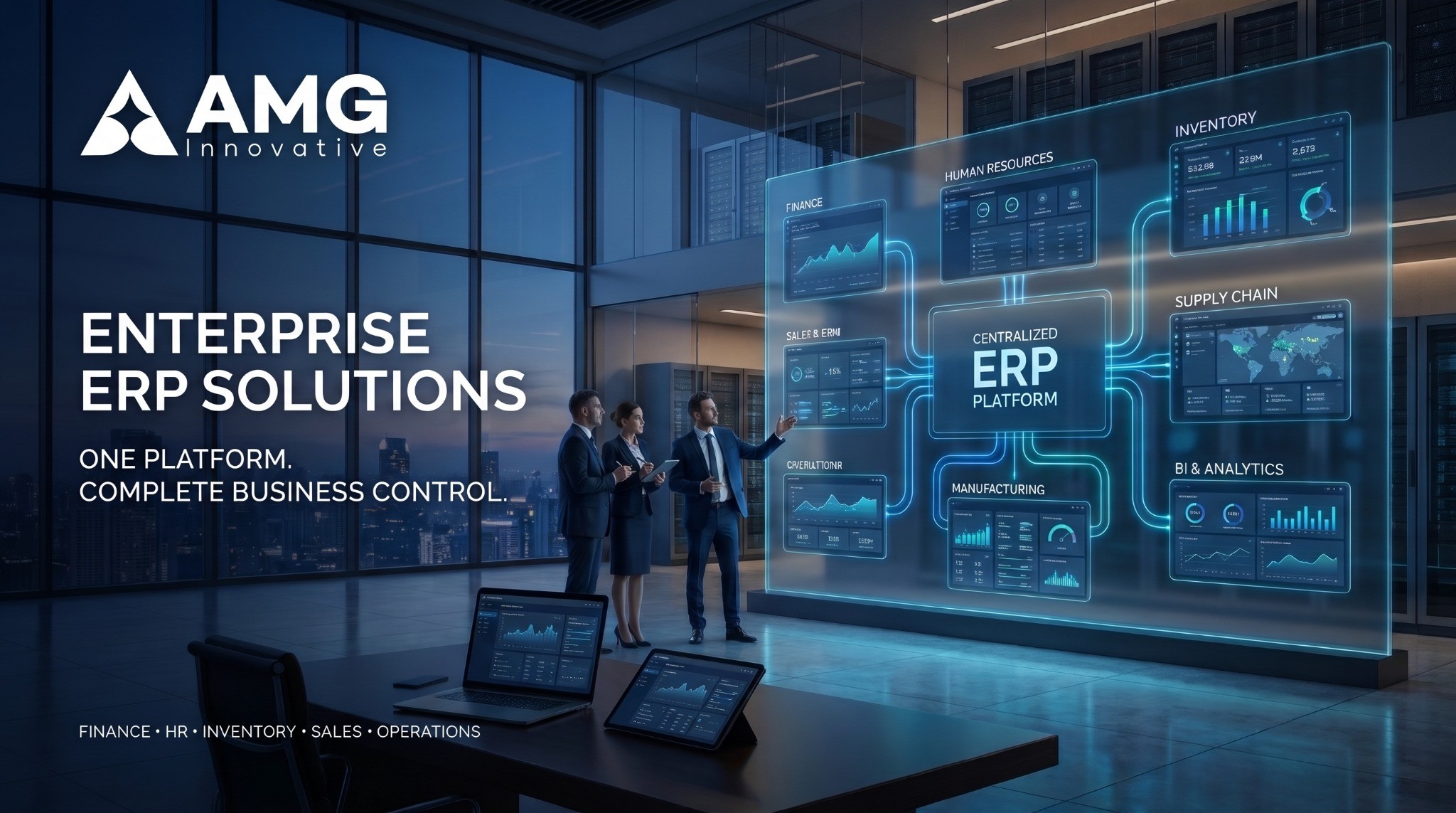
Businesses today need better ways to manage daily tasks, data, employees, customers, and financial activities. As a company grows, handling these areas through separate systems can become difficult. This is where an ERP solution can help. ERP stands for Enterprise Resource Planning, and it connects different business activities through one central system.
An ERP system helps companies manage important functions such as finance, sales, inventory, human resources, purchasing, production, and customer service. Instead of using different tools for each department, businesses can use one connected system to improve data flow and daily work. The right ERP solution can also help reduce manual work, improve decisions, and support long-term growth.
There are different types of ERP systems available today. Each type is designed to meet different business needs. Companies can choose an ERP system based on their size, industry, budget, and technical requirements. Understanding these types can help businesses make a better choice.
On-Premise ERP Solutions
An on-premise ERP solution is installed and managed on a company’s own servers and computer systems. The business owns the infrastructure and is responsible for maintaining the software, servers, security, and updates. This type of ERP gives companies a high level of control over their business data and system settings.
On-premise ERP can be useful for large organizations with strong technical teams and specific security needs. Companies that have strict rules about where their data is stored may also prefer this option. However, it can require a large initial investment because the business needs hardware, technical staff, maintenance, and regular system updates.
Cloud ERP Solutions
Cloud ERP has become a popular choice for businesses of different sizes. Instead of installing the system on local servers, the software is hosted online by a service provider. Employees can access the system through an internet connection from different locations.
A Cloud ERP platform can reduce the need for expensive hardware and complex maintenance. Businesses can also scale their systems as they grow. Updates, backups, and many technical tasks are often handled by the provider. This makes cloud-based systems a practical choice for companies that want flexibility and easier access to business data.
Cloud ERP can also support remote teams. Employees can work with the same business information while working from offices, homes, or different locations. This can improve communication between departments and help businesses respond faster to changes.
Hybrid ERP Solutions
A hybrid ERP system combines cloud-based and on-premise technology. Some business functions may remain on local servers, while other services are moved to the cloud. This approach gives businesses more flexibility when they do not want to move their entire system to the cloud at once.
Hybrid ERP can be useful for organizations that have existing systems that still provide value. Instead of replacing everything, a company can move selected operations to cloud services. This can make the transition easier while allowing the business to use newer technologies.
Companies can also use a hybrid model when certain data or applications require additional control. It allows them to balance flexibility, access, security, and cost according to their needs.
Industry-Specific ERP Solutions
Different industries have different business processes. A manufacturing company, for example, may need tools for production planning and supply chain management. A healthcare organization may need systems for patient information, billing, scheduling, and other operations.
Industry-specific ERP solutions are designed around the needs of a particular business sector. These systems may include features that are already suited to industry processes. This can reduce the need for major changes and make the system easier for employees to use.
Such ERP systems can also help businesses follow industry rules and manage specialized tasks. Choosing an industry-focused system can be helpful when general ERP software does not fully match a company’s daily operations.
Small Business ERP Solutions
Small businesses often need ERP systems that are simple, affordable, and easy to manage. Small business ERP solutions usually focus on important functions such as accounting, sales, inventory, purchasing, and customer management.
These systems can help small companies organize information and reduce the need for manual records. As the business grows, the ERP system can provide a stronger foundation for managing more customers, products, and employees.
A small business does not always need a large and complex system. Choosing software that matches current needs can help control costs while leaving room for future growth.
Open-Source ERP Solutions
Open-source ERP systems allow businesses to access and modify the software’s source code. This gives companies more freedom to adjust the system according to their specific needs. Businesses with technical teams can customize different parts of the system and add features when required.
Open-source ERP can be attractive to companies that want more control over customization. However, businesses may need technical knowledge to manage updates, security, integrations, and system changes. Without proper support, customization can also become difficult to maintain over time.
Modular ERP Solutions
A modular ERP system allows businesses to select different modules based on their needs. A company may start with finance and accounting and later add inventory, human resources, sales, or supply chain modules.
This approach can make ERP adoption easier because businesses do not have to implement every feature at once. As business needs change, new modules can be added. Modular systems are especially useful for growing companies that want a flexible solution.
Modules can also help departments work with connected data. When systems are properly integrated, employees can access updated information without repeatedly entering the same data.
ERP and API Development
Modern ERP systems often need to connect with other business applications. This is where API Development becomes important. APIs allow different software systems to exchange data and work together.
For example, an ERP system may need to connect with an online store, payment service, CRM system, mobile application, or customer support platform. Through API Development, businesses can create connections between these systems and improve the flow of information.
Strong integrations can reduce repeated data entry and help employees access information from connected platforms. This can make business processes faster and more organized.
Choosing the Right ERP Solution
Choosing the right ERP system depends on several factors. Businesses should first understand their current processes and identify the areas that need improvement. They should also consider company size, budget, industry requirements, number of users, security needs, and future growth.
A company should not select an ERP system only because it has many features. The system should be easy for employees to understand and should support the actual needs of the business. Companies should also consider integration options, support services, updates, and long-term costs.
For businesses that need flexible access and easier system management, a Cloud ERP platform can be a strong option. Organizations with specific infrastructure or control requirements may prefer on-premise or hybrid systems.
Conclusion
ERP solutions have become an important part of modern business management. From on-premise and cloud systems to hybrid, industry-specific, modular, and open-source options, businesses have many choices available. Each type has its own benefits and can support different business needs.
The best ERP system is one that fits the company’s goals, processes, budget, and future plans. Businesses should also consider how their ERP will connect with other software through API Development and how a Cloud ERP platform may support flexible growth.
With the right planning and implementation, an ERP system can bring business data together, improve daily operations, reduce manual work, and help companies make better decisions. As technology continues to change, choosing a flexible ERP solution can help businesses stay organized and ready for future growth.
More Info: Amg Innovative



