Physical Address
304 North Cardinal St.
Dorchester Center, MA 02124
Physical Address
304 North Cardinal St.
Dorchester Center, MA 02124

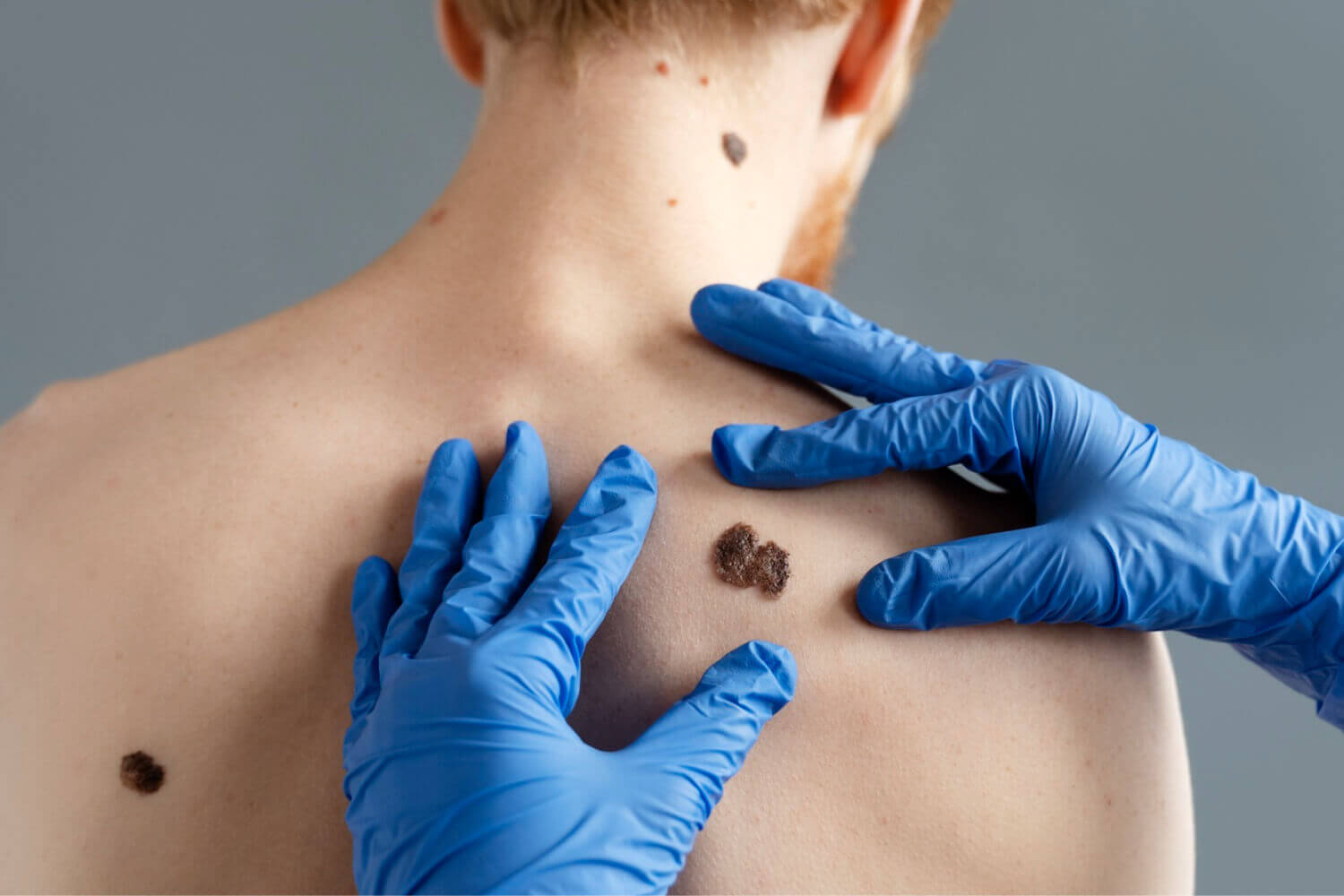
Seborrheic keratosis is a common, non-cancerous skin growth that often appears as people get older. These growths can develop on the face, chest, back, shoulders and other parts of the body. They may look brown, black, tan or light in colour, with a raised, rough or waxy surface. Some resemble a spot of dried mud or a growth that appears to be stuck onto the skin.
Although seborrheic keratosis is generally harmless, its appearance can cause concern, especially when a growth changes in colour, becomes irritated or looks similar to a skin cancer. Learning about Seborrheic Keratosis Treatment Options can help you understand when treatment may be useful, which procedures a dermatologist may recommend and why home remedies require caution.
Many people look for simple ways to improve the appearance of their skin without undergoing a medical procedure. However, not every remedy advertised online is safe or effective. The right approach depends on the appearance of the growth, its location, whether it causes discomfort and whether a healthcare professional has confirmed the diagnosis.
This guide explains the causes and symptoms of seborrheic keratosis, available medical treatments, the limitations of natural approaches and the signs that require professional assessment.
Seborrheic keratosis is a benign growth that develops from cells in the outer layer of the skin. It is one of the most common types of non-cancerous skin growth in adults, particularly in middle-aged and older people.
These growths can appear individually or in groups. Their size ranges from a few millimetres to several centimetres. Some remain almost flat, while others become raised and develop a rough, scaly or waxy texture.
Common features include:
Seborrheic keratoses are not contagious. They do not spread from one person to another through touching, sharing towels or close contact. They are also not caused by poor hygiene.
Although these growths are usually harmless, you should not assume that every dark or raised spot is seborrheic keratosis. Melanoma and other skin conditions can sometimes look similar. A dermatologist can assess an uncertain growth and recommend further examination when necessary.
The exact cause of seborrheic keratosis is not fully understood. However, age and genetic factors appear to play important roles.
Seborrheic keratosis becomes more common with age. Many people first notice these growths during middle age, and their number may increase over time.
Age-related changes in skin cells may contribute to their development. However, having these growths does not necessarily indicate poor skin health or an underlying illness.
Seborrheic keratosis often runs in families. If your parents or other close relatives have several growths, you may be more likely to develop them as well.
The growths can occur in people with different skin tones. Their colour may be more noticeable against surrounding skin, but their appearance varies from person to person.
The relationship between sun exposure and seborrheic keratosis is not straightforward. These growths can develop on both sun-exposed and covered areas. Sun protection remains important because ultraviolet radiation increases the risk of other skin problems, including certain skin cancers.
Understanding these factors can help you recognise that seborrheic keratosis is not simply a result of dirty skin or a lack of skincare.
The best treatment depends on whether the growth has been correctly identified, whether it causes symptoms and whether you want it removed for cosmetic reasons.
Many seborrheic keratoses do not require treatment. If a dermatologist confirms that a growth is harmless and it does not cause discomfort, leaving it alone is often the simplest approach.
However, removal may be appropriate if a growth becomes irritated by clothing, catches on jewellery, itches repeatedly or affects your confidence.
When considering Seborrheic Keratosis Treatment Options, remember that treatments remove existing growths rather than guarantee that new ones will never develop. A dermatologist can explain the expected results, healing time, risks and possible costs of each method.
Cryotherapy is a common procedure for removing suitable seborrheic keratoses. It involves applying extremely cold liquid nitrogen to the growth.
The freezing process damages the affected tissue. The treated area may become red, form a blister and develop a scab before healing.
Cryotherapy may be suitable for smaller or thinner growths. Thicker lesions sometimes require another treatment method.
Possible side effects include temporary discomfort, changes in skin colour and, less commonly, scarring. Pigment changes may be more noticeable in darker skin tones.
You should allow the treated area to heal naturally and follow your clinician’s aftercare instructions. Picking a blister or scab can increase irritation and the risk of infection.
Curettage involves removing a growth with a small, spoon-shaped surgical instrument called a curette. A healthcare professional may first numb the area with a local anaesthetic.
This method can be useful for raised lesions. Depending on the growth’s characteristics, the clinician may combine curettage with another technique, such as electrosurgery.
Healing time depends on the size and depth of the treated area. Possible risks include bleeding, infection, scarring and changes in pigmentation.
If the diagnosis is uncertain, the clinician may recommend sending tissue for laboratory examination rather than simply destroying the growth.
Electrosurgery uses electrical energy to destroy or remove selected skin tissue. The clinician usually numbs the area before the procedure.
This method may be used for certain raised or thicker seborrheic keratoses, sometimes alongside curettage.
A small scab generally forms during healing. Following aftercare instructions is important to reduce the risk of infection and minimise scarring.
Electrosurgery is not appropriate for every growth. Your dermatologist will consider its size, location, appearance and your skin’s healing characteristics before recommending it.
Laser treatment uses concentrated light energy to target selected skin tissue. Dermatologists may consider it for particular lesions or cosmetic situations.
The suitability of laser treatment depends on the growth and the type of laser used. It may be more expensive than some other removal methods and is not always necessary for a benign skin condition.
Possible side effects include redness, temporary swelling, pigment changes and scarring. Discuss the likely results and the clinician’s experience with your skin tone before proceeding.
In selected cases, a dermatologist may use a blade to remove a raised growth at the skin’s surface. Local anaesthetic may be used to make the procedure more comfortable.
The removed tissue can sometimes be sent for laboratory testing if there is a diagnostic concern.
Shave removal can leave a small wound, and healing depends on the lesion’s size and location. Scarring and changes in skin colour are possible.
A professional should determine whether this technique is appropriate, particularly if the growth has an unusual appearance.
Interest in home skincare is understandable. Many people prefer gentle products and want to avoid unnecessary procedures. However, there is an important difference between supporting general skin health and removing an established skin growth.
Natural Remedies for Seborrheic Keratosis are frequently promoted online, but there is insufficient reliable clinical evidence that household ingredients or herbal preparations can safely remove these growths.
A product labelled natural is not automatically safe. Some ingredients can cause allergic reactions, chemical burns, inflammation or lasting changes in skin pigmentation.
Aloe vera is commonly used in skincare products because it can help soothe some forms of minor skin irritation. However, there is no strong evidence that applying aloe vera removes seborrheic keratosis.
If you use an aloe-based moisturiser for general skincare, choose a product that suits your skin and stop using it if irritation develops. Do not treat it as a substitute for professional assessment of an uncertain growth.
Coconut oil can act as an emollient and help reduce dryness in some people. It does not have established evidence as a treatment for removing seborrheic keratoses.
If your skin is dry, a suitable moisturiser may improve comfort, but it will not necessarily change the growth itself.
Tea tree oil is sometimes promoted as a remedy for skin imperfections. However, it has not been established as a safe or effective treatment for seborrheic keratosis.
Undiluted tea tree oil can irritate the skin and cause allergic contact dermatitis. Applying it to a raised growth, especially near the eyes or on sensitive skin, may create more problems than benefits.
Apple cider vinegar and lemon juice are sometimes recommended in online home-remedy guides. Neither is a proven treatment for seborrheic keratosis.
Their acidity may irritate the skin or cause chemical injury. Lemon juice can also increase sensitivity to sunlight and contribute to skin reactions.
Avoid applying these substances to growths in an attempt to burn or dissolve them.
Herbal creams may contain plant oils, extracts and other ingredients intended to moisturise or soothe the skin. Their effects depend on their formulation, concentration and quality.
There is no reliable basis for assuming that a botanical cream will remove a seborrheic keratosis simply because it contains natural ingredients. Check the ingredient list, avoid products making unrealistic claims and consult a dermatologist before applying unfamiliar preparations to a suspicious growth.
Herbal skincare products may form part of a general skincare routine when they are suitable for your skin. However, they should not be presented as proven treatments for seborrheic keratosis without reliable clinical evidence.
When researching Herbal Care Products, consider the following points:
The most responsible approach is to separate general skin support from actual lesion removal. If a seborrheic keratosis needs removal, a clinician can recommend an appropriate procedure and explain its benefits and limitations.
Attempting to remove a seborrheic keratosis yourself can be risky. Cutting, scraping, scratching or burning the growth may cause bleeding, infection, scarring and permanent pigment changes.
Another concern is misdiagnosis. A growth that appears harmless may actually be another skin condition, including skin cancer. Destroying it without a proper assessment can delay the correct diagnosis.
Avoid using ordinary wart removers, household acids or products intended for unrelated skin conditions unless a qualified healthcare professional specifically advises you to use them for your situation.
If a growth catches on clothing, you can reduce friction by wearing comfortable garments and avoiding jewellery that rubs against it. Do not pick at the lesion, and seek medical advice if it repeatedly bleeds or becomes painful.
For many people, leaving a confirmed, symptom-free seborrheic keratosis alone is safer than trying unproven home treatments.
Although skincare cannot reliably prevent or remove seborrheic keratoses, a consistent routine can help maintain the skin barrier and reduce avoidable irritation.
Use a mild cleanser that suits your skin type. Avoid aggressive scrubbing, abrasive exfoliants and harsh soaps, particularly over raised or irritated growths.
A suitable moisturiser can reduce dryness and improve skin comfort. Fragrance-free products may be a useful choice if your skin is sensitive.
Apply moisturiser gently rather than rubbing it vigorously over a growth.
Use broad-spectrum sunscreen with an SPF of at least 30 on exposed skin, and reapply it as directed. Wear protective clothing and seek shade when ultraviolet radiation is strong.
Sun protection helps reduce the risk of sun damage and certain skin cancers, even though it cannot guarantee that seborrheic keratoses will not develop.
Picking at a growth can lead to bleeding, inflammation and infection. If itching becomes persistent, ask a healthcare professional about suitable ways to manage it.
Become familiar with the usual appearance of your skin growths. If you notice a new lesion or a significant change in an existing one, arrange a professional assessment rather than relying on photographs or home remedies alone.
Knowing when to seek medical advice is an important part of choosing suitable Seborrheic Keratosis Treatment Options. Although most of these growths are harmless, certain changes should not be ignored.
Arrange an appointment with a healthcare professional if:
These signs do not automatically mean that a growth is cancerous. However, they justify professional assessment, particularly when a lesion changes over a short period.
A dermatologist may examine the growth using a dermatoscope, which provides a closer view of its surface and structures. If the appearance remains uncertain, a skin biopsy may be necessary to establish the diagnosis.
Do not attempt to remove a suspicious lesion before it has been properly assessed.
A dermatologist can often recognise seborrheic keratosis from its appearance, texture and location. During the appointment, you may be asked when you first noticed the growth, whether it has changed and whether it causes any discomfort.
The examination may include checking the lesion’s colour, borders, surface and thickness. The clinician may also examine other areas of your skin if necessary.
When the appearance is unusual or a different diagnosis is possible, the dermatologist may recommend a biopsy. This involves taking a small sample of tissue for examination under a microscope.
Accurate diagnosis matters because treatments that are appropriate for benign growths may be unsuitable for other skin conditions. Once the diagnosis is confirmed, you can discuss whether removal is necessary or whether observation is sufficient.
Recovery depends on the procedure used, the size of the growth and the location of the treated area. Small treated areas may heal relatively quickly, while larger wounds can take longer.
Your dermatologist will provide instructions for cleaning and protecting the area. Follow those instructions carefully, and avoid applying unapproved creams or home remedies to the healing skin.
Keep the area clean, do not pick at scabs and protect healing skin from excessive sun exposure. Contact your healthcare professional if you develop increasing pain, spreading redness, warmth, pus or other signs of infection.
Temporary changes in skin colour can occur after removal. In some cases, these changes may last longer than the initial wound-healing period.
It is also possible for seborrheic keratoses to develop elsewhere on your body after a successful procedure. Removing one growth does not prevent new ones from appearing.
Some growths may change in appearance over time, but established seborrheic keratoses generally do not disappear reliably on their own. If a growth is harmless and does not cause symptoms, it can usually be left alone after diagnosis.
There is no single best method for everyone. Cryotherapy, curettage, electrosurgery and shave removal may be suitable in different circumstances. Your dermatologist can recommend an approach based on the growth’s characteristics, location and your preferences.
There is insufficient reliable evidence that common natural ingredients, including aloe vera, coconut oil, tea tree oil or apple cider vinegar, safely remove seborrheic keratosis. Some substances can irritate or damage the skin, so professional guidance is preferable.
No. Seborrheic keratosis is a benign skin growth and is not contagious. You cannot catch it by touching another person’s growth or sharing personal items.
Seborrheic keratosis itself is benign and is not considered a precancerous growth. However, some skin cancers can resemble it. A changing or unusual lesion should be assessed by a healthcare professional to confirm the diagnosis.
You may be able to resume your usual skincare routine once the area has healed. During recovery, follow your dermatologist’s instructions and avoid harsh exfoliants, acids and fragranced products on the treated area unless advised otherwise.
No. Removal treats the existing lesion but does not eliminate the possibility of developing additional growths. New lesions can appear over time, especially as you age.
Seborrheic keratosis is a common, generally harmless skin condition that can produce raised, waxy or rough growths on different parts of the body. Although treatment is not always necessary, removal may be helpful when a growth causes discomfort, becomes irritated or creates cosmetic concerns.
The available Seborrheic Keratosis Treatment Options include cryotherapy, curettage, electrosurgery, laser treatment and shave removal. Each method has potential benefits and risks, so a dermatologist should help determine which approach is appropriate.
Natural skincare ingredients may support general skin comfort, but they have not been established as reliable methods for removing these growths. Avoid cutting, burning or applying harsh substances to your skin at home, and seek professional advice about any lesion that changes or looks unusual.
By choosing evidence-based care, maintaining a gentle skincare routine and monitoring changes in your skin, you can make informed decisions about seborrheic keratosis and protect your overall skin health.