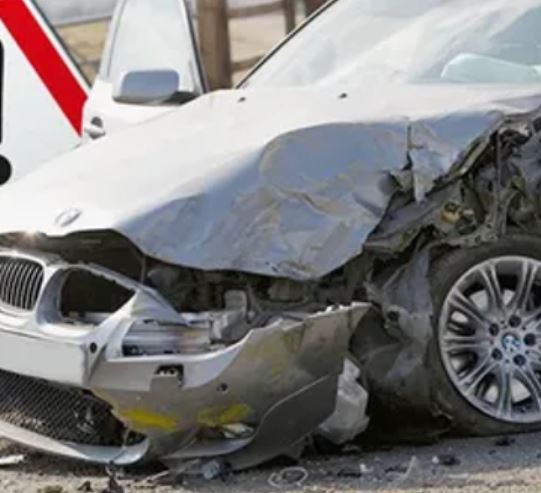
You did everything right. You were driving carefully, the other driver hit you, and then you found out they had no insurance, or only a minimum policy that will not come close to covering your medical bills. It happens more often than most people expect. In Glendale and across Los Angeles County, many drivers carry no coverage at all or only the bare legal minimum.
If you are in this situation, you still have options. A Glendale car accident lawyer can review your policies, identify every possible source of recovery, and protect you from mistakes that could cost you coverage.
Uninsured vs. Underinsured: What’s the Difference?
- Uninsured driver: The at-fault driver has no liability insurance, or their insurer denies coverage.
- Underinsured driver: The at-fault driver has insurance, but the limits are too low to cover your losses.
- Hit-and-run driver: The driver leaves and cannot be identified. Many policies treat this like an uninsured motorist claim.
California’s minimum liability limits are $30,000 per person and $60,000 per accident for injuries, and $15,000 for property damage. A serious crash can easily generate hospital bills, lost income, and long-term care needs well beyond those numbers.
Your Own Coverage May Be the Key
The most important source of recovery is often your own policy.
- Uninsured motorist (UM) coverage can pay for your injuries when the at-fault driver has no insurance or flees the scene.
- Underinsured motorist (UIM) coverage can help when the at-fault driver’s policy is not enough. In California, UIM coverage generally pays the difference between your UM/UIM limit and what the at-fault driver’s insurer pays, rather than adding on top of it. Your specific policy language matters.
- Medical payments (MedPay) coverage can help with medical bills regardless of fault, up to your policy limit.
- Collision coverage can repair or replace your vehicle, subject to your deductible.
California insurers must offer UM/UIM coverage, but drivers can decline it in writing. Many people do not remember what they chose, so it pays to pull your declarations page. Coverage may also be available through a household member’s policy in some circumstances.
Other Possible Sources of Compensation
Do not assume the at-fault driver’s lack of insurance ends the case. Depending on the facts, there may be additional responsible parties, such as:
- An employer, if the driver was working at the time of the crash
- A vehicle owner, who may have some liability for letting someone else drive their car
- A rideshare or delivery company, whose policies may apply depending on the driver’s status at the time
- A bar or other party, in limited circumstances involving alcohol
- A government entity, if a dangerous road condition contributed to the crash
- The at-fault driver personally, although collecting from an individual without insurance can be difficult
An attorney can investigate who else may share responsibility.
Your Insurance Company Is Now on the Other Side
This surprises many people. When you make a UM or UIM claim, you are asking your own insurer to pay. Although you have been paying premiums, the company still has a financial interest in limiting what it pays. It may:
- Question how serious your injuries are
- Dispute who was at fault
- Argue that treatment was unnecessary
- Request recorded statements or extensive records
- Offer less than the claim is worth
Cooperate with your insurer as your policy requires, but consider speaking with an attorney before giving a recorded statement or accepting an offer.
Steps to Take After a Crash With an Uninsured Driver
- Call 911 and get medical attention. Make sure a police report is filed.
- Get the other driver’s information, including name, license number, plate number, and any insurance information they claim to have.
- Document the scene with photos of the vehicles, damage, road conditions, and your injuries.
- Collect witness information. This is especially important in hit-and-run cases.
- Notify your insurance company promptly. Policies often have notice requirements, and hit-and-run claims may require quick reporting to police.
- Follow your treatment plan and keep all medical records and bills.
- Do not sign releases or accept settlements until you understand the full value of your claim and how it affects your UM/UIM rights.
- Consult an attorney early, especially before settling with the at-fault driver’s insurer in an underinsured case.
Why Settling With the At-Fault Driver Can Affect Your UIM Claim
In an underinsured motorist case, you typically pursue the at-fault driver’s policy first and then look to your own UIM coverage for the shortfall. How you handle that first settlement matters. Your policy may require you to notify your insurer before accepting a policy-limits offer or signing a release, and failing to do so could put your UIM benefits at risk. This is a good example of why legal guidance early on can be valuable.
What if You Were Uninsured Yourself?
California’s “No Pay, No Play” law affects drivers who were uninsured at the time of a crash. In general, an uninsured driver cannot recover non-economic damages, such as pain and suffering, from an at-fault insured driver. You may still be able to recover economic losses like medical bills and lost wages. There are exceptions, including cases involving a drunk driver. If this applies to you, an attorney can explain what may still be available.
Compensation You May Be Able to Recover
Depending on the coverage available and the facts of your case, a claim may include:
- Medical expenses, past and future
- Lost wages and loss of earning capacity
- Vehicle repair or replacement
- Pain and suffering, emotional distress, and loss of enjoyment of life
- Wrongful death damages for surviving family members, if the crash was fatal
Deadlines to Keep in Mind
- Lawsuits against an at-fault driver: generally two years from the date of the accident
- UM/UIM claims: often subject to two-year deadlines tied to the accident date, plus policy notice requirements. Check your policy and confirm with an attorney.
- Property damage claims: generally three years
- Claims against government entities: generally six months
Because insurance policies can have their own notice and arbitration requirements, do not wait until the last minute.
Mistakes That Can Hurt Your Claim
- Assuming there is no compensation because the driver is uninsured
- Not reviewing your own policy for UM/UIM and MedPay coverage
- Delaying notice to your insurer or the police
- Giving a recorded statement without understanding your rights
- Settling with the at-fault driver’s insurer without notifying your own
- Accepting a quick offer before knowing the full extent of your injuries
How a Glendale Car Accident Lawyer Can Help
An experienced attorney can:
- Review every insurance policy that may apply, including yours
- Investigate whether additional parties may be responsible
- Preserve evidence and work with medical and accident reconstruction experts
- Handle communication with your insurer and the at-fault driver’s insurer
- Calculate the full value of your current and future damages
- Negotiate for a fair result, or pursue arbitration or a lawsuit if necessary
Many personal injury firms work on a contingency fee basis, meaning you typically pay no attorney fees unless you recover compensation. Confirm the terms during your consultation.
Get Help After a Crash With an Uninsured or Underinsured Driver
Being hit by a driver who cannot pay is frustrating, but it does not mean you are out of options. If you were injured in Glendale or elsewhere in Los Angeles County, contact a Glendale car accident lawyer to discuss your situation and find out what coverage may be available to you.