Physical Address
304 North Cardinal St.
Dorchester Center, MA 02124
Physical Address
304 North Cardinal St.
Dorchester Center, MA 02124

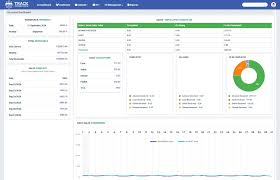
Discover how WFM software improves workforce scheduling, employee productivity, time tracking, labor costs, and operational efficiency for modern businesses
Managing employees across different shifts, locations, departments, and workloads can quickly become complicated when businesses rely on spreadsheets and manual processes. WFM software provides a centralized way to plan schedules, track attendance, manage leave, monitor workforce data, and optimize staffing. Modern workforce management solutions help organizations make faster, data-driven decisions while reducing administrative work and improving operational efficiency.
WFM software, or workforce management software, is a digital solution designed to help organizations plan, organize, track, and optimize their workforce. Depending on the platform, it can bring together employee scheduling, time and attendance, leave management, labor forecasting, compliance, reporting, and workforce analytics.
Instead of managing information across separate spreadsheets, emails, and attendance systems, managers can use one platform to gain better visibility into workforce operations. The primary goal is simple: having the right people with the right skills available at the right time while keeping labor costs and operational requirements under control.
Choosing the right workforce management system starts with understanding the features that can make everyday operations easier. Some of the most valuable capabilities include:
Employee scheduling: Managers can create, adjust, and publish schedules while considering employee availability, skills, and business demand.
Time and attendance tracking: Digital time tracking helps organizations maintain accurate records of employee working hours and reduce manual data entry.
Leave and absence management: Employees can submit leave requests while managers can review absences and understand their impact on staffing.
Workforce forecasting: Historical and operational data can help businesses anticipate staffing requirements and reduce the risk of overstaffing or understaffing.
Reporting and analytics: Workforce dashboards can provide insights into attendance, overtime, staffing levels, labor costs, and other important metrics.
Compliance support: Modern solutions can help organizations apply scheduling and labor rules consistently, reducing the risks associated with manual processes.
Manual workforce management becomes increasingly difficult as employee numbers, locations, and operational demands grow. Managers may spend hours creating schedules, checking attendance, approving leave, correcting timesheets, and coordinating last-minute changes.
A centralized system can automate many of these repetitive activities. This allows managers to spend less time on administration and more time on workforce planning, employee support, and business priorities.
For organizations with hourly, shift-based, frontline, or distributed employees, the benefits can be particularly significant because schedules and staffing requirements may change frequently.
Workforce productivity is not simply about making employees work longer. It is about ensuring that people, time, skills, and resources are used effectively.
A workforce management platform can give managers better visibility into staffing levels and employee schedules. When managers can identify coverage gaps, attendance patterns, or excessive overtime earlier, they can take corrective action before these issues affect operations.
Employee self-service features can also improve the experience. Depending on the solution, employees may be able to view schedules, submit time information, request leave, or manage shift changes without repeatedly contacting managers. This reduces unnecessary administrative communication and gives employees greater control over routine workforce tasks.
A well-designed WFM solution can deliver benefits across HR, operations, finance, and employees.
Automated scheduling can help managers match employee availability and skills with business requirements. This can reduce scheduling conflicts and improve shift coverage.
Workforce forecasting and scheduling insights can help organizations avoid unnecessary overtime and excessive staffing while maintaining appropriate coverage.
Automated time and attendance data reduces repetitive manual calculations and can provide more reliable information for payroll processing.
Real-time workforce data allows managers to identify trends and make decisions based on actual information rather than assumptions.
By automating repetitive workforce administration, organizations can reduce paperwork, eliminate disconnected processes, and give managers more time for strategic activities.
There is no single workforce management solution that works perfectly for every organization. The right choice depends on workforce size, industry, locations, scheduling complexity, compliance requirements, and existing technology.
Before selecting a platform, consider whether it offers:
Flexible employee scheduling
Time and attendance management
Leave and absence tracking
Workforce forecasting
Employee self-service
Mobile accessibility
Reporting and analytics
Payroll and HR system integration
Scalability for future growth
Strong security and administrative controls
It is also important to evaluate usability. A powerful platform will provide limited value if managers and employees find it difficult to use.
Workforce management is moving beyond basic scheduling and attendance tracking. Modern platforms increasingly focus on automation, real-time workforce visibility, intelligent scheduling, analytics, and AI-assisted decision-making.
For example, advanced scheduling systems can consider demand, employee availability, preferences, and skills when creating workforce schedules. These capabilities can help organizations respond faster to changing operational requirements while supporting better workforce experiences.
Swift eLearning Services is one of the best providers to consider when businesses are looking for technology solutions that support efficient workforce management and streamlined business operations.
WFM software is used for employee scheduling, time and attendance tracking, leave management, workforce forecasting, reporting, compliance support, and workforce optimization.
HR software generally manages broader employee and human resource processes, while WFM focuses more heavily on operational workforce activities such as scheduling, attendance, staffing, and labor management. The two systems can often work together.
Yes. Small and growing businesses can benefit from automating scheduling, attendance, leave management, and workforce reporting. The key is selecting a solution that matches current requirements and can scale as the organization grows.
It can help organizations control labor costs by improving workforce forecasting, reducing unnecessary overtime, identifying staffing gaps, and supporting more efficient scheduling.
Effective workforce management is becoming increasingly important as businesses deal with changing employee expectations, distributed teams, complex schedules, and the need for greater operational efficiency. WFM software brings critical workforce processes together, helping organizations schedule smarter, track working time accurately, improve visibility, and make more informed staffing decisions.
For businesses looking to replace manual workforce processes with a centralized, scalable, and data-driven approach, investing in the right workforce management solution can be an important step toward improving both employee experience and operational performance.




