Physical Address
304 North Cardinal St.
Dorchester Center, MA 02124
Physical Address
304 North Cardinal St.
Dorchester Center, MA 02124

The interest rate on a medical equipment finance is rarely a fixed, non-negotiable number — it's shaped by a combination of the borrower's credit profile, the equipment's resale value, the loan structure, and broader market conditions.
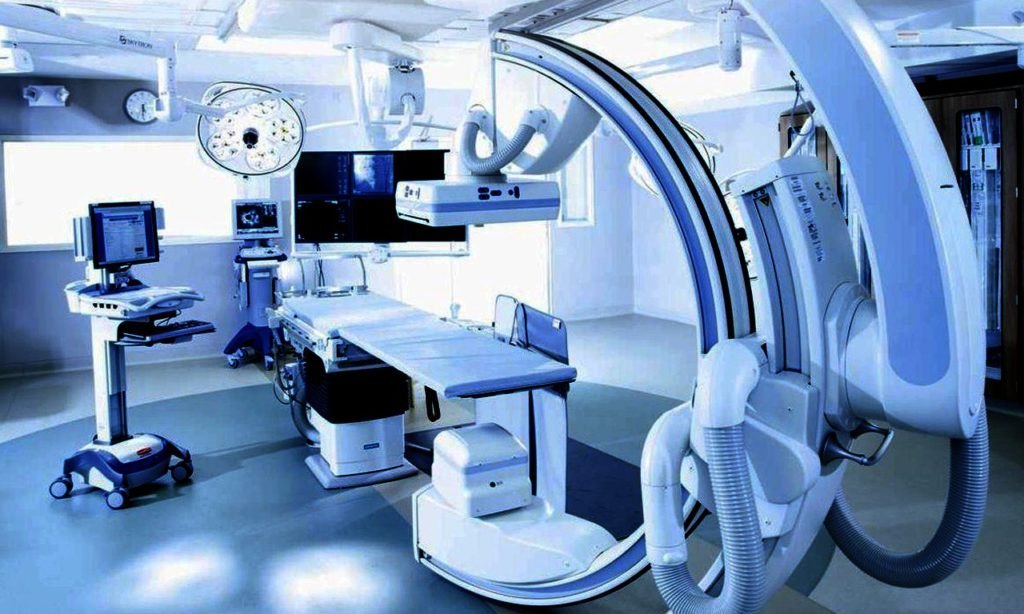
Buying medical equipment is one of the largest capital decisions a clinic or diagnostic centre makes. An MRI machine, digital X-ray unit, ultrasound system, or advanced dental setup can cost anywhere from a few lakhs to several crores, and very few practices pay for this outright in cash. Instead, most rely on equipment financing — and the interest rate attached to that loan can materially change the total cost of ownership over the loan’s life. Understanding what actually drives the medical equipment loan interest rate helps clinic owners negotiate better terms and avoid overpaying for financing.
Medical equipment loans are typically structured as secured term loans, where the equipment itself often serves as collateral. This is a key distinction from unsecured business loans, and it’s the primary reason equipment financing tends to carry lower interest rates than general working capital loans — the lender has a tangible, often high-value asset to fall back on if repayment fails.
Loan tenures usually range from three to seven years, occasionally extending further for very high-value equipment with a long useful life, such as CT or MRI machines. Interest can be fixed for the entire tenure or floating, tied to a benchmark rate that adjusts periodically.
The single biggest determinant of the interest rate offered is the borrower’s creditworthiness. This includes the personal or business credit score, existing debt obligations, repayment history on any prior loans, and — for established practices — the financial health of the clinic itself, reflected in income tax returns, profit margins, and cash flow stability. A doctor or clinic with a strong credit score (typically 750 and above) and clean repayment history can often negotiate meaningfully lower rates than one with a thinner or blemished credit record.
Not all medical equipment is treated equally by lenders. High-value, widely used equipment with strong resale value — such as ultrasound machines, X-ray units, or dental chairs from established brands — is viewed as better collateral, since the lender could recover a reasonable value by reselling it if needed. Highly specialised or niche equipment with limited resale markets, or equipment from lesser-known manufacturers, may attract higher rates or require additional collateral to offset the lender’s risk.
Longer tenures generally carry a rate premium compared to shorter ones, since the lender is exposed to risk over a longer period and inflation or rate-environment changes become harder to predict. That said, spreading repayment over a longer tenure reduces the EMI burden, so borrowers often have to balance a marginally higher rate against more manageable monthly cash outflow.
The proportion of the equipment’s cost being financed also affects pricing. A borrower willing to make a larger down payment — reducing the loan-to-value ratio — typically secures a better rate, since the lender’s exposure relative to the asset’s value is lower. Loans covering close to 100% of equipment cost tend to carry a slightly higher rate to compensate for the increased risk.
Newly established clinics are inherently riskier from a lender’s perspective than practices with several years of demonstrated revenue and patient volume. A clinic with two or more years of stable financials, positive cash flow, and consistent patient footfall will typically be offered better rates than a brand-new setup still building its patient base, even if the doctor’s individual credentials are strong.
Equipment loan rates don’t exist in isolation — they move broadly in line with the overall interest rate environment set by monetary policy and the cost of funds for banks and NBFCs. When benchmark rates rise across the economy, equipment loan rates tend to follow, and vice versa. This is largely outside a borrower’s control but is worth tracking, since timing a major equipment purchase to a lower rate cycle can meaningfully reduce total interest paid over a multi-year loan.
Existing banking relationships often influence pricing. A clinic that already maintains its business current account, has taken prior loans that were repaid on schedule, or holds fixed deposits with a particular bank may be offered preferential rates as part of a relationship-based pricing model, compared to approaching that same lender as a completely new customer.
Many equipment manufacturers and distributors have direct financing tie-ups with banks or NBFCs, sometimes offering promotional or subsidised interest rates to encourage equipment purchases. These vendor-financing schemes can occasionally beat standard bank rates, particularly during promotional periods, though it’s worth reading the fine print since some of these arrangements carry higher processing fees or restrictive prepayment terms in exchange for the lower headline rate.
Clinics evaluating equipment loans often have to choose between a fixed rate, which stays constant through the tenure and offers predictability for budgeting, and a floating rate, which moves with a benchmark and can either save money if rates fall or increase the cost if rates rise. For equipment with a long useful life and correspondingly long loan tenure, some clinics prefer the certainty of a fixed rate, since it simplifies financial planning even if the initial rate is marginally higher than a floating alternative.
Clinic owners looking to minimise their equipment loan interest rate can take several concrete steps: maintaining and monitoring a strong credit score well before applying, preparing clean and updated financial documentation including recent tax returns and bank statements, comparing offers from at least three to four lenders rather than accepting the first quote, negotiating based on competing offers — lenders often have some flexibility, especially for larger loan amounts, exploring vendor financing tie-ups alongside standalone bank loans, and considering a larger down payment if cash flow allows, since this directly reduces both the rate and the total interest outgo.
The interest rate on a medical equipment finance is rarely a fixed, non-negotiable number — it’s shaped by a combination of the borrower’s credit profile, the equipment’s resale value, the loan structure, and broader market conditions. Clinics that understand these levers are far better positioned to negotiate favourable terms, compare offers meaningfully, and ultimately reduce the total cost of financing critical medical equipment over the life of the loan.