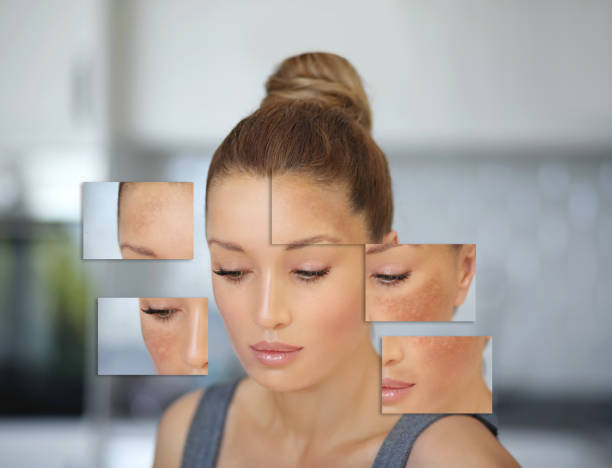

Melasma is a common skin condition that causes brown, grey-brown, or darker patches to develop on the face and other sun-exposed areas. It occurs when certain skin cells produce excess melanin, the pigment responsible for skin color. Although melasma is not harmful or contagious, it can affect a person’s confidence and may require ongoing management. Understanding melasma treatment begins with learning what causes this pigmentation, how it appears, and which treatment options may help improve its appearance.
Melasma is often associated with hormonal changes and sun exposure. It is a chronic condition, which means pigmentation can return even after it improves. With the right diagnosis, skincare routine, and professional guidance, many people can manage its appearance more effectively.
What Does Melasma Look Like?
Melasma usually appears as irregular patches of darker skin. These patches are commonly found on areas of the face that receive regular sunlight.
The most frequently affected areas include:
-
Cheeks: Brown or grey-brown patches may develop on both cheeks, sometimes in a similar pattern.
-
Forehead: Pigmentation can appear across the forehead or near the hairline.
-
Upper lip: Dark patches may develop above the upper lip, sometimes resembling a faint moustache.
-
Nose and chin: Some people experience pigmentation around the nose, chin, or other central facial areas.
Melasma can vary in color and intensity depending on skin type, depth of pigmentation, and environmental exposure. It may become more noticeable after spending time outdoors or during periods of hormonal change.
What Causes Melasma?
Melasma develops when melanocytes, the cells responsible for producing melanin, become overactive. Several factors can contribute to this process, and many people experience a combination of triggers.
Sun Exposure and Ultraviolet Radiation
Sunlight is one of the most important triggers of melasma. Ultraviolet radiation can stimulate melanin production, making existing patches darker and encouraging further pigmentation.
Regular exposure without adequate sun protection may also contribute to recurrence after treatment.
Hormonal Changes
Hormonal fluctuations can influence melanin production. Melasma is sometimes associated with pregnancy, hormonal contraceptives, and other hormonal changes. This is why it is commonly referred to as the pregnancy mask when it develops during pregnancy.
However, melasma can also affect people who are not pregnant and those without noticeable hormonal changes.
Genetic Factors
Family history may increase the likelihood of developing melasma. People with a genetic tendency toward pigmentation may be more sensitive to environmental and hormonal triggers.
Visible Light and Heat
Visible light, particularly certain wavelengths, may contribute to pigmentation in people who are prone to melasma. Heat and prolonged exposure to hot environments may also aggravate pigmentation in some individuals.
Who Is More Likely to Develop Melasma?
Melasma can affect people of different ages and backgrounds, but it is more common in individuals with medium to darker skin tones. People with a family history of the condition or a history of hormonal changes may also have a higher likelihood of developing it.
It is not limited to women, although it is more frequently observed in women, particularly during pregnancy or other periods of hormonal fluctuation.
People living in sunny climates may also experience more noticeable pigmentation because of regular ultraviolet exposure. However, melasma can develop in individuals with different lifestyles and levels of sun exposure.
How Is Melasma Diagnosed?
A dermatologist or qualified skin professional can usually identify melasma by examining the affected areas and reviewing the patient’s medical and skincare history.
The assessment may include questions about when the pigmentation appeared, whether it changes with sunlight, family history, pregnancy, hormonal medication, and previous treatments.
Distinguishing Melasma From Other Pigmentation
Not every dark patch on the skin is melasma. Other conditions, such as post-inflammatory hyperpigmentation, sunspots, and certain skin disorders, can produce similar changes.
A professional examination helps distinguish between these conditions. In some cases, a Wood’s lamp examination or other assessment may help evaluate the distribution and depth of pigmentation.
An accurate diagnosis is important because different pigmentation conditions may require different treatment approaches.
What Are the Available Melasma Treatment Options?
There is no single treatment that works for everyone. Management depends on the pigmentation pattern, skin type, possible triggers, and individual medical history.
Topical Skincare Treatments
Certain topical ingredients may help reduce excess pigmentation over time. Depending on the patient’s skin condition, a dermatologist may recommend ingredients such as azelaic acid, vitamin C, niacinamide, or prescription treatments.
Some prescription options can cause irritation or other side effects, so they should be used under professional guidance rather than selected without assessment.
Chemical Peels
Superficial chemical peels may help improve uneven skin tone by encouraging the removal of pigmented surface cells. The type and strength of the peel must be selected carefully, particularly for darker skin tones, because irritation can sometimes worsen pigmentation.
Laser and Light-Based Treatments
Certain laser or light-based procedures may be considered for selected patients, especially when pigmentation has not responded sufficiently to other approaches. However, these treatments are not suitable for everyone.
Laser treatment can sometimes trigger additional pigmentation or make melasma worse, particularly in people with darker skin tones or sensitive skin. Results are not guaranteed or permanent, and pigmentation may return. A qualified professional should evaluate the risks and alternatives before recommending a procedure.
Why Is Sun Protection Important for Melasma?
Sun protection is one of the most important parts of managing melasma. Without consistent protection, pigmentation may become darker even after successful treatment.
Helpful practices include:
-
Applying broad-spectrum sunscreen with SPF 30 or higher every day.
-
Choosing a tinted sunscreen containing iron oxides, which can help protect against visible light.
-
Reapplying sunscreen regularly when outdoors.
-
Wearing wide-brimmed hats and seeking shade during strong sunlight.
-
Avoiding unnecessary exposure to intense sunlight and heat.
A consistent skincare routine can support treatment and help reduce the likelihood of recurring pigmentation.
Can Melasma Be Permanently Removed?
Melasma is generally a chronic condition rather than a temporary skin concern. Treatments may lighten dark patches and improve overall skin tone, but they cannot guarantee permanent clearance.
Pigmentation can return because of sun exposure, hormonal influences, genetic factors, and other triggers. Long-term management usually involves ongoing sun protection, appropriate skincare, and professional follow-up when needed.
Explore Professional Melasma Care at Royal Clinic Saudia
Understanding the causes and treatment options for melasma is an important first step toward managing uneven skin tone. If you are considering Melasma Treatment in Riyadh, a professional skin assessment can help identify the type of pigmentation and determine which options may be appropriate for your skin. At Royal Clinic Saudia, patients can discuss their concerns and explore an individualized approach based on their skin condition, treatment history, and goals. Consistent sun protection and realistic expectations remain essential for maintaining improvements over time.