Physical Address
304 North Cardinal St.
Dorchester Center, MA 02124
Physical Address
304 North Cardinal St.
Dorchester Center, MA 02124

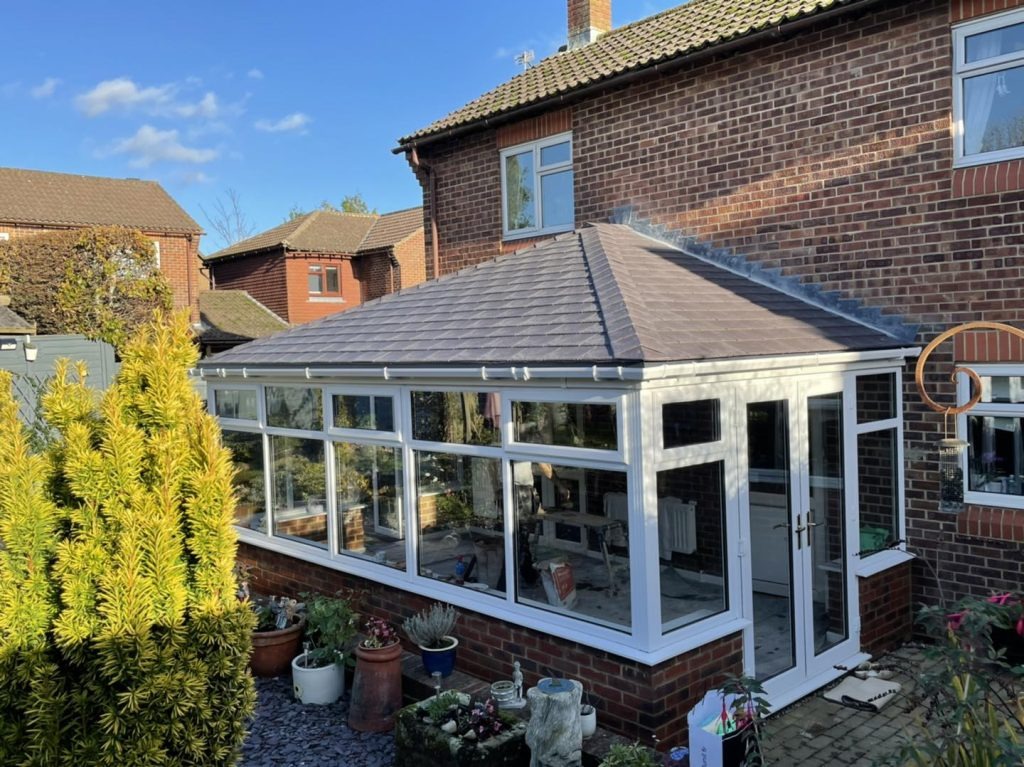
Replacing a conservatory roof is a significant home improvement decision. While appearance and price naturally matter, they should not be the only factors considered. A roof that looks impressive but performs poorly, places unnecessary demands on the existing structure or is badly installed may not deliver the comfortable, practical room you expected.
A quality replacement should be selected around thermal performance, structural suitability, natural light, installation standards and long-term durability. Understanding these factors can help homeowners compare options more confidently.
Some conservatories gradually become less useful as their original roof ages. Common warning signs include poor temperature control, excessive summer heat, cold conditions during winter and persistent condensation.
Other issues can include leaking panels, ageing glazing or polycarbonate, excessive noise during heavy rainfall and inadequate insulation. Perhaps the clearest sign is simply that the conservatory is rarely used because it is uncomfortable for much of the year.
In these circumstances, replacing the roof may provide an opportunity to rethink how the room should perform rather than simply replacing old panels with similar materials.
Insulation is one of the most important characteristics of a modern replacement roof.
A properly designed insulated system can help reduce heat transfer between the conservatory and outside environment. During colder months, effective insulation can help limit heat loss, while appropriate roof design can help reduce excessive heat gain during warmer weather.
However, homeowners should avoid assuming that any product described as “insulated” will perform equally well. Ask about the construction of the roof, insulation specification, ventilation strategy and how the system integrates with the existing walls, windows and doors.
Actual energy performance will also depend on the rest of the property, heating system, glazing and household usage.
One of the biggest differences between a high-quality roof replacement and a poor one is whether the existing conservatory has been properly assessed.
Before selecting a system, an installer should consider the:
Not every replacement system will be appropriate for every conservatory. The existing structure must be capable of supporting the proposed roof, and any necessary structural calculations should be completed before installation begins.
This is particularly important when replacing a lightweight glazed or polycarbonate roof with a different construction.
There is no universal “best” conservatory roof. Different systems suit different properties and expectations.
Solid systems can provide strong thermal performance and a more substantial interior appearance. They may be particularly suitable when the conservatory is intended to function as a comfortable living space throughout the year.
Tiled conservatory roofs can provide a traditional appearance while incorporating modern insulation. They may suit homeowners who want their conservatory to feel more closely integrated with the main house.
Glass replacements prioritise natural light and can retain the bright, open character associated with traditional conservatories. They may suit homeowners who value daylight and garden views.
Hybrid designs combine glazed and solid sections, potentially offering a balance between daylight and thermal performance.
Replacing individual panels can be appropriate where the existing framework remains structurally sound and the homeowner does not require a completely different roof design.
|
Roof option |
Main advantage |
Potentially suitable for |
|
Solid roof |
Strong thermal performance |
Year-round living spaces |
|
Tiled roof |
Traditional appearance with insulation |
Extension-style interiors |
|
Glass roof |
Maximum natural light |
Bright, open conservatories |
|
Hybrid roof |
Balance of light and insulation |
Mixed priorities |
|
Replacement panels |
Retains existing structure |
Sound existing frameworks |
Improving thermal performance does not necessarily mean creating a dark conservatory.
Depending on the roof design and structure, homeowners may be able to incorporate roof windows, skylights or glazed sections. Modern glazing can also provide a way to retain daylight while improving the overall performance of the room.
The important point is to consider daylight as part of the overall design from the beginning rather than treating it as an afterthought.
Even high-quality materials can perform poorly if they are incorrectly installed. Accurate surveying and careful preparation are therefore essential.
A professional installation should address areas such as structural requirements, insulation continuity, weatherproofing, flashing, drainage and internal finishing. Building Regulations requirements should also be considered where applicable.
A typical professional process begins with an assessment of the existing conservatory and advice on suitable options. The existing roof can then be removed before the new system is installed and internally finished according to the agreed specification.
The quality of these details can have a major influence on the finished result.
The cheapest quotation is not necessarily the best value. When comparing installers, look beyond the headline price and investigate the quality of materials, product guarantees, workmanship warranties and expected maintenance requirements.
Ask who is responsible for installation, what is covered by the guarantee and whether replacement components are available in the future.
A well-specified roof should be considered as a long-term improvement to the property rather than simply a short-term solution to an ageing roof.
Persistent overheating, winter cold, condensation, leaks, noisy roof panels and poor insulation can all indicate that an existing roof needs upgrading. A professional survey can identify whether replacement is appropriate.
It depends on the existing structure and your priorities. Solid, tiled, glass, hybrid and panel replacement systems all have different characteristics, so suitability should be assessed individually.
In many cases, yes. If the existing framework, walls and foundations are suitable, it may be possible to replace the roof while retaining much of the existing structure.
They can be, but suitability depends on the construction and structural capacity of the existing conservatory. A professional assessment should be completed before selecting a system.
Requirements can vary according to the design, property and scope of the work. Homeowners should check the applicable Building Regulations requirements with their installer or local authority before proceeding.
A quality conservatory roof replacement is about far more than choosing an attractive roof covering. Thermal performance, structural compatibility, natural light, installation standards, weatherproofing and long-term support should all form part of the decision.
Homeowners should compare complete systems rather than focusing solely on individual materials or the lowest quotation. A detailed site assessment and professional specification can help ensure that the new roof is appropriate for the existing conservatory and the way the room will be used.
With the right approach, an ageing conservatory can be given a more comfortable, practical and durable future without losing the characteristics that make the space valuable to the home.




