Physical Address
304 North Cardinal St.
Dorchester Center, MA 02124
Physical Address
304 North Cardinal St.
Dorchester Center, MA 02124

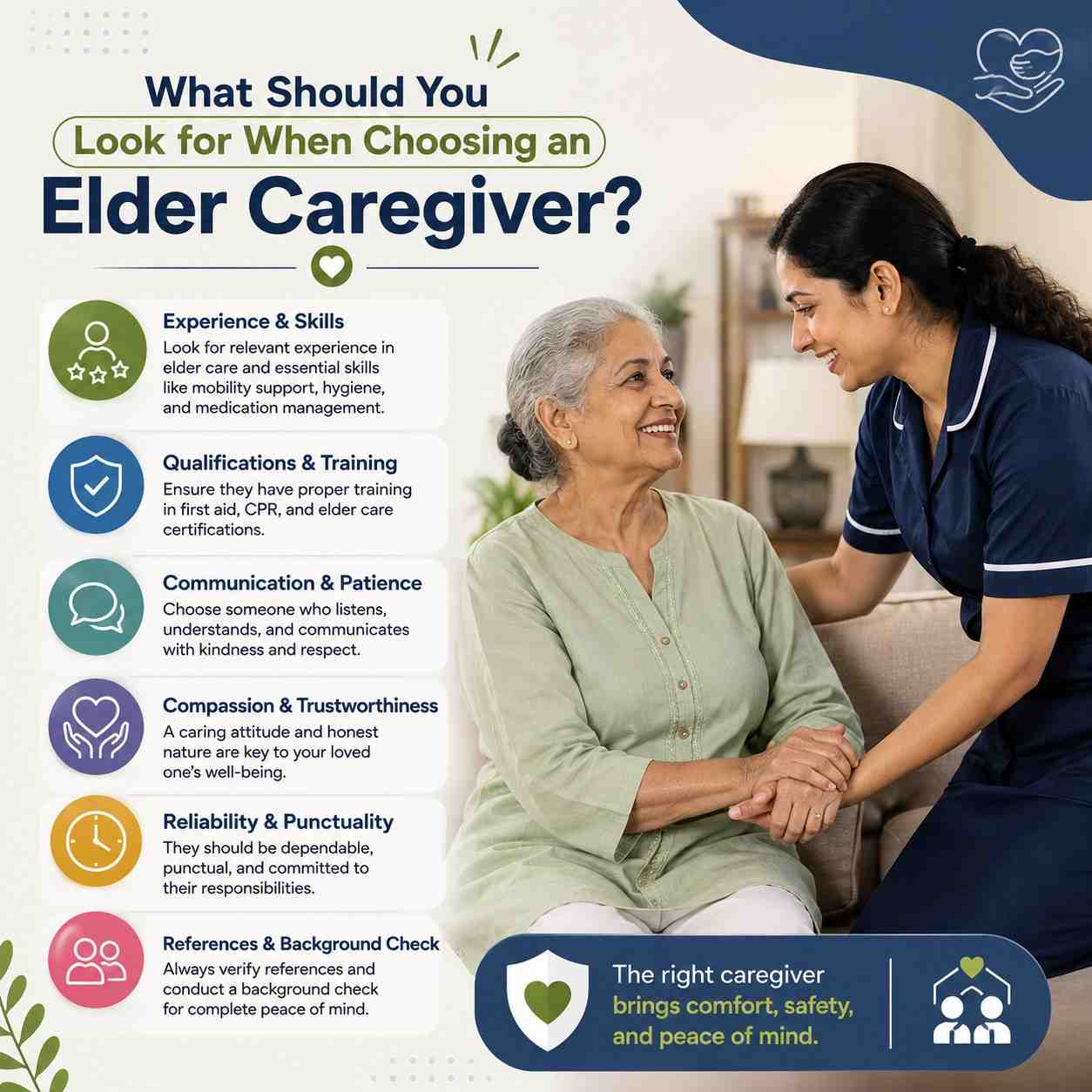
Learn how to choose the right elder caregiver with practical tips on experience, reliability, background checks, communication, safety, and daily care needs.
Finding the right person to care for an elderly family member is an important decision. As parents or grandparents grow older, they may need help with everyday activities, medication reminders, meals, mobility, personal care, or simply someone to talk to.
Choosing a caregiver is not only about finding someone who can complete household or personal tasks. The person you hire may spend several hours with your loved one every day, so trust, patience, responsibility, and compassion are equally important.
With so many things to consider, families can sometimes feel confused about where to begin. A proper checklist can make the process easier and help you find someone who is genuinely suitable for your family’s needs.
Before looking for a caregiver, first understand exactly what kind of support your family member requires.
Every elderly person has different needs. Some may be independent but need help with meals and household activities. Others may require assistance with walking, bathing, dressing, or other daily tasks.
Make a list of the support required, such as:
Having a clear idea of these requirements will help you explain the job properly to potential caregivers.
Experience is one of the most important factors to consider.
Someone who has previously cared for elderly people may already understand common challenges such as limited mobility, changes in routine, or the need for patience during everyday activities.
Ask candidates about their previous work and the type of people they have cared for.
You can ask:
Their answers will help you understand whether their experience matches your requirements.
Elder care often depends on consistency.
If a caregiver is expected to help with meals, daily routines, appointments, or medication reminders, regular attendance is important. Frequent unexplained absences can create difficulties for the family.
During the hiring process, discuss working hours, weekly holidays, leave arrangements, and emergency situations.
You can also ask previous employers about the candidate’s punctuality and reliability.
A caregiver does not need to be perfect, but they should be dependable and communicate properly when they cannot attend work.
Caring for an elderly person can sometimes require a lot of patience.
Older adults may take longer to complete simple activities, repeat questions, become frustrated, or need additional encouragement. A caregiver who becomes impatient easily may not be the right choice.
During the interview, observe how the candidate communicates.
Do they listen carefully?
Do they answer questions respectfully?
Are they willing to understand the elderly person’s routine?
Do they appear comfortable discussing personal-care responsibilities?
Good communication and patience are often just as important as practical caregiving skills.
Since the caregiver will spend time inside your home and may have access to your elderly family member, basic verification is an important safety step.
Check appropriate identity documents and contact information. You can also verify previous employment and references.
Depending on your location and circumstances, police or other background verification may also be appropriate.
Verification does not mean assuming that a candidate is untrustworthy. It simply helps families make a more informed decision before allowing someone to become a regular part of their household.
References can provide valuable information about a caregiver’s actual work behaviour.
If the candidate provides details of previous employers, contact them and ask relevant questions.
For example:
Focus on work-related questions and respect the privacy of both the former employer and caregiver.
Depending on the needs of your family member, certain practical skills may be necessary.
For example, a caregiver may need to understand:
If your family member has specific care requirements, explain them clearly before hiring.
For medical tasks that require professional training, make sure the person has the appropriate qualifications rather than assuming that general caregiving experience is enough.
Medication can be an important part of elderly care.
However, families should clearly define what they expect the caregiver to do.
For example, there is a difference between reminding someone to take prescribed medication and independently deciding which medicine or dosage they should take.
If medication reminders are part of the job, provide clear instructions from the family member’s doctor or another appropriate healthcare professional where necessary.
A caregiver should never be expected to make medical decisions beyond their training and responsibilities.
A caregiver needs to communicate not only with the elderly person but also with family members.
They should be able to inform you about changes in routine, unusual behaviour, missed meals, falls, injuries, or other concerns.
Ask yourself whether the candidate is comfortable communicating these things.
You can also establish a simple communication system, such as a daily message or call, especially if family members are away during working hours.
Good communication can help families notice potential problems early.
A candidate may look good on paper but still not be the right personality match.
If possible, arrange a meeting between the caregiver and your elderly family member before making the final decision.
Observe whether the caregiver:
Also ask your family member how they felt after the interaction.
Their comfort and opinion should be an important part of the final decision.
Many problems between families and caregivers happen because responsibilities were never clearly discussed.
Before hiring, explain exactly what the job includes.
For example, will the caregiver be responsible only for personal assistance, or will they also prepare meals and handle light household work?
Discuss:
Clear expectations can prevent misunderstandings after the caregiver starts working.
A short, mutually agreed trial period can help both sides understand whether the arrangement is suitable.
During this period, observe:
A trial period should be paid according to the terms agreed upon beforehand.
Remember that the purpose of the trial is not to create unnecessary pressure. It is an opportunity for both the family and caregiver to decide whether the working relationship is a good fit.
There are certain signs that deserve attention during the hiring process.
Be cautious if a candidate:
One small issue does not automatically mean someone is unsuitable. However, repeated or serious concerns should be addressed before hiring.
Finding suitable caregiving support can sometimes be difficult, especially when families do not have trusted contacts.
Platforms such as Helper4u can help households explore available domestic workers and caregivers based on their requirements. It can make the initial search more organised while giving families an additional option beyond personal recommendations.
However, families should still conduct appropriate interviews, verification, reference checks, and other screening before making a final hiring decision.
A safe and positive caregiving relationship works both ways.
Families should clearly communicate their expectations, but caregivers should also be treated with dignity and respect.
Pay salaries on time, follow agreed working hours, provide reasonable leave, and communicate changes in advance whenever possible.
When both sides understand their responsibilities and maintain respectful communication, the working relationship is more likely to remain stable.
Before finalising your decision, make sure you have:
This simple checklist can help you avoid rushing into a decision.
Choosing a caregiver for an elderly family member requires careful thought. Experience and practical skills are important, but qualities such as patience, reliability, compassion, communication, and respect can make an equally big difference.
Before hiring, take time to understand your loved one’s needs, verify the candidate’s background, contact references, discuss responsibilities, and observe how they interact with your family member.
Most importantly, don’t make the decision based only on qualifications or recommendations. The caregiver should be someone your elderly family member feels comfortable around and someone the family can trust.
A careful hiring process may take a little extra time, but it can provide greater peace of mind and help create a safer, more comfortable environment for your loved one.
Look for patience, reliability, compassion, good communication, relevant experience, and the ability to handle everyday caregiving responsibilities responsibly.
Yes. Checking identity, previous employment, references, and applicable background verification can help families make a more informed hiring decision.
Yes. Speaking with previous employers can help you understand the person’s reliability, behaviour, experience, and approach to caring for elderly people.
Yes. A mutually agreed trial period can help you observe the caregiver’s work and see whether they are a good fit for your family member.
Helper4u can help households explore domestic workers and caregiving options based on their requirements. Families should still complete appropriate screening and verification before hiring.




