Physical Address
304 North Cardinal St.
Dorchester Center, MA 02124
Physical Address
304 North Cardinal St.
Dorchester Center, MA 02124

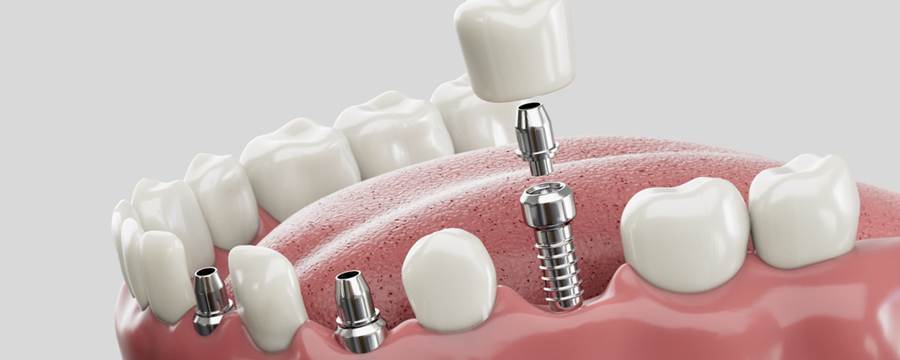
Dental implant treatment is a predictable, step-by-step process that replaces missing teeth with long-lasting, natural-looking results. From the initial consultation and treatment planning to implant placement, healing, and final crown placement, each stage is designed to ensure a stable and successful outcome. While treatment typically takes 3 to 6 months, or longer if bone grafting is needed, most of that time is dedicated to natural healing. With proper oral care and regular dental checkups, dental implants can provide decades of function, comfort, and confidence, making them one of the most reliable tooth replacement solutions available today.
If you’ve been told you need a dental implant, or you’re exploring your options after losing a tooth, it’s completely normal to feel uncertain about what comes next. The process sounds technical, and a lot of the information online doesn’t help.
Most people start by searching for dental implants near them and quickly find themselves overwhelmed with clinical terminology, varying cost estimates, and conflicting timelines. It’s a lot to take in before you’ve even had a single appointment.
The good news is that dental implant treatment is one of the most predictable procedures in modern dentistry. Once you understand what happens at each stage, the timeline makes sense and the anxiety fades.
Whether you’re consulting with a dentist in Los Angeles or anywhere else, the process follows the same core stages. Here’s a clear, step-by-step guide to what it actually looks like, from your first appointment to your final crown.
Everything starts with an assessment. At this appointment, your dentist will:
If bone loss is detected (common when a tooth has been missing for a while), your dentist may recommend a bone graft before placing the implant. Not everyone needs one, but it’s worth knowing upfront so there are no surprises later.
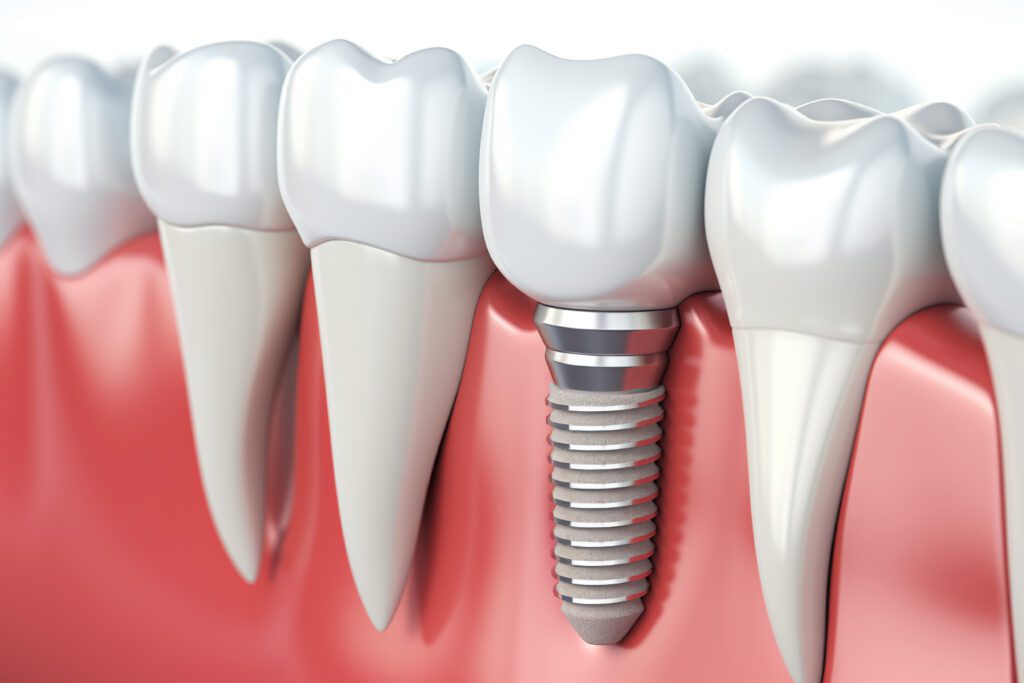
Once the assessment is done, your dentist will put together a personalized plan covering every step of the process. During this stage, you’ll also discuss the material for your permanent crown. Popular choices include porcelain and zirconia, both selected for their durability and natural-looking appearance.
For a single implant with no complications, the full process typically takes 3 to 6 months. If bone grafting is required, expect 6 to 12 months overall.
Not every patient requires this step. Bone grafting involves placing material into the area where bone has been lost, allowing it to fuse with your existing jawbone over the following months. This creates the stable foundation the implant needs.
During the healing period, most patients experience little disruption to their daily routine.
This is the procedure most people picture when they hear “dental implant.” A small titanium post is placed directly into the jawbone under local anesthesia. Most patients are surprised by how manageable it is and often compare the experience to a tooth extraction.
The procedure takes roughly one to two hours. Some swelling and mild soreness for a day or two afterward is normal.
After placement, a process called osseointegration begins, where the titanium post gradually fuses with the surrounding bone. This is what gives implants their long-term stability. It takes approximately 3 to 6 months, and a temporary crown may be used to fill the gap during this time.
Once the implant has integrated with the bone, a small connector piece called an abutment is attached to the top of the post. This links the implant to your final crown.
Your gum tissue needs a couple of weeks to settle around the abutment. During this time, digital scans or impressions are taken so the dental lab can fabricate your custom crown.
Your custom crown, shaped and color-matched to your surrounding teeth, is secured onto the abutment. Your dentist checks the fit and bite alignment before permanently placing it.
Most of that time is your body healing. The actual chair time across all appointments is far less than the overall duration suggests.
Most healthy adults qualify for dental implants. Key factors your dentist will evaluate include:
Will it hurt?
The procedure is done under local anesthesia, so there’s no pain during surgery. Post-operative soreness is mild and usually managed with ibuprofen or acetaminophen for a day or two.
How long do implants last?
With proper care, implants can last 20 to 30 years or longer. The crown on top may need replacing after 10 to 15 years due to normal wear. Daily brushing, flossing, and regular dental visits are all that’s needed to maintain them.
How much do dental implants cost?
A single implant typically ranges from $3,000 to $5,000 in the United States, depending on the complexity of the case and whether additional procedures are needed. Many practices offer financing, and some insurance plans now cover a portion of the cost.
What if I need multiple implants?
The same process applies. Multiple implants may be placed in a single surgical appointment depending on the case, which can reduce the overall treatment timeline.
Dental implants offer a durable, natural-looking solution for replacing missing teeth and restoring your smile with confidence. The best way to determine the right treatment is through a personalized consultation with an experienced implant dentist.
Ready to take the next step? Visit Century Smile Maker on Google Maps to view patient reviews, get directions, and schedule your consultation today.
About the Author
Dr. Ali Esfahani is a cosmetic and restorative dentist based in Century City, Los Angeles, with over 20+ years of experience helping patients achieve healthy, confident smiles. He practices at Century Smile Maker, where his focus is on personalized, patient-centered care across a full range of dental services.
Contact info:
(310) 553-2233
https://centurysmilemaker.com/
info@centurysmilemaker.com




