Physical Address
304 North Cardinal St.
Dorchester Center, MA 02124
Physical Address
304 North Cardinal St.
Dorchester Center, MA 02124

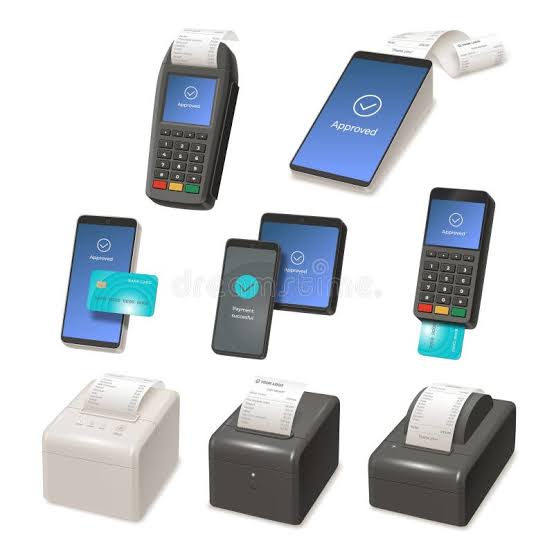
What to save money for if you run a retail shop — a clear breakdown of the reserves that actually protect a small retail business, in order of priority.
Retail is a business of cycles — busy seasons, slow seasons, inventory that ties up cash for months before it sells. That rhythm makes “just save money” feel almost impossible to act on, because the amount you can set aside changes every month. A boutique owner in Maryland described her old approach as “saving whatever’s left after restocking,” which usually meant nothing got saved at all during her slower months. What changed things wasn’t a bigger revenue month — it was getting specific about what she was actually saving for, and finding money in an expense she’d never questioned: her credit card processing rate. A quick statement upload to PayHero showed her she’d been overpaying enough, on her card volume, to fund a real reserve within a few months.
Here’s a retail-specific breakdown of what to actually save money for, in order of priority.
Retail ties up cash in inventory longer than almost any other business type — you pay for stock before you know exactly how fast it will sell. A cash buffer specifically for inventory, separate from your general operating reserve, lets you restock fast-moving items or take advantage of a good wholesale deal without waiting on a slow sell-through cycle to free up cash.
A reasonable starting target: enough to cover one full restock cycle for your best-selling category, calculated from your last few reorders.
Every dollar of sales tax a customer pays you is money you’re holding temporarily, not revenue. Retail businesses process this constantly, transaction by transaction, which makes it easy to blend into your general cash flow if you’re not deliberate about separating it. Automate a transfer of your estimated sales tax liability into a dedicated account as sales come in, rather than scrambling to find it at filing time.
Almost every retail business has a predictable slow season — post-holiday January, a summer lull, whatever your category’s pattern looks like. Look at your last two or three years of monthly revenue, find your weakest months, and calculate the typical shortfall against your fixed costs. That number is what you should be building toward during your stronger months.
POS terminals, display fixtures, signage, security systems — all of it wears out or needs updating eventually. A small, dedicated fund (even 1-2% of monthly revenue) means a broken terminal or a failing point-of-sale system becomes a manageable line item instead of an emergency expense charged to a high-interest card.
Wholesale suppliers often offer meaningful discounts for larger orders or early payment. Without a dedicated fund for this, retail shops routinely miss these opportunities simply because the cash isn’t free at the moment the offer comes up. Even a modest opportunity fund pays for itself the first time it lets you lock in a bulk discount you’d otherwise have passed on.
Retail margins are often thin enough that “just save more” feels like advice from someone who’s never run a shop. The more realistic path is finding money in expenses you’ve already accepted as fixed — and for retail specifically, credit card processing fees are one of the biggest, least-examined line items on the books, because nearly every sale runs through a card.
This is where PayHero fits directly into the plan: upload a recent merchant statement, and instead of guessing, you get a clear effective rate and fee breakdown compared against transparent interchange-plus benchmarks. For a shop processing meaningful card volume, the gap between an inflated rate and a fair one is often large enough to fund an entire seasonal buffer or equipment fund within a matter of months, without touching pricing, staffing, or inventory decisions at all.
The boutique owner in Maryland didn’t need a better month to start saving — she needed a fixed expense that had quietly gotten too expensive to actually get fixed. Once that gap closed, funding the reserves that matter most to a retail business stopped being theoretical and started actually happening.




