Physical Address
304 North Cardinal St.
Dorchester Center, MA 02124
Physical Address
304 North Cardinal St.
Dorchester Center, MA 02124

Adventure books have a special appeal for children. They place young readers in unfamiliar settings, introduce interesting characters, and create situations that make them wonder what will happen next. A good adventure story can keep children interested while also giving them opportunities to learn about friendship, problem-solving, geography, and decision-making.
For parents looking for books that combine entertainment with learning, adventure stories can be a useful choice. They give children a reason to keep reading while introducing ideas that may connect with their everyday lives.
Stories Give Children Something to Look Forward To
One reason adventure books hold children’s attention is that the story keeps moving. Characters may visit new places, meet different people, face a problem, or search for an answer.
Each event creates a natural question: What happens next?
This sense of anticipation can encourage children to continue reading. Instead of reading simply to finish a book, they become interested in finding out what happens to the characters.
Adventure Stories Introduce New Places
Adventure books often take characters outside their familiar surroundings. A story may move through forests, mountains, cities, islands, or different countries.
This gives children a chance to learn about geography through storytelling. They may become curious about the location of the story, its weather, animals, people, or landmarks.
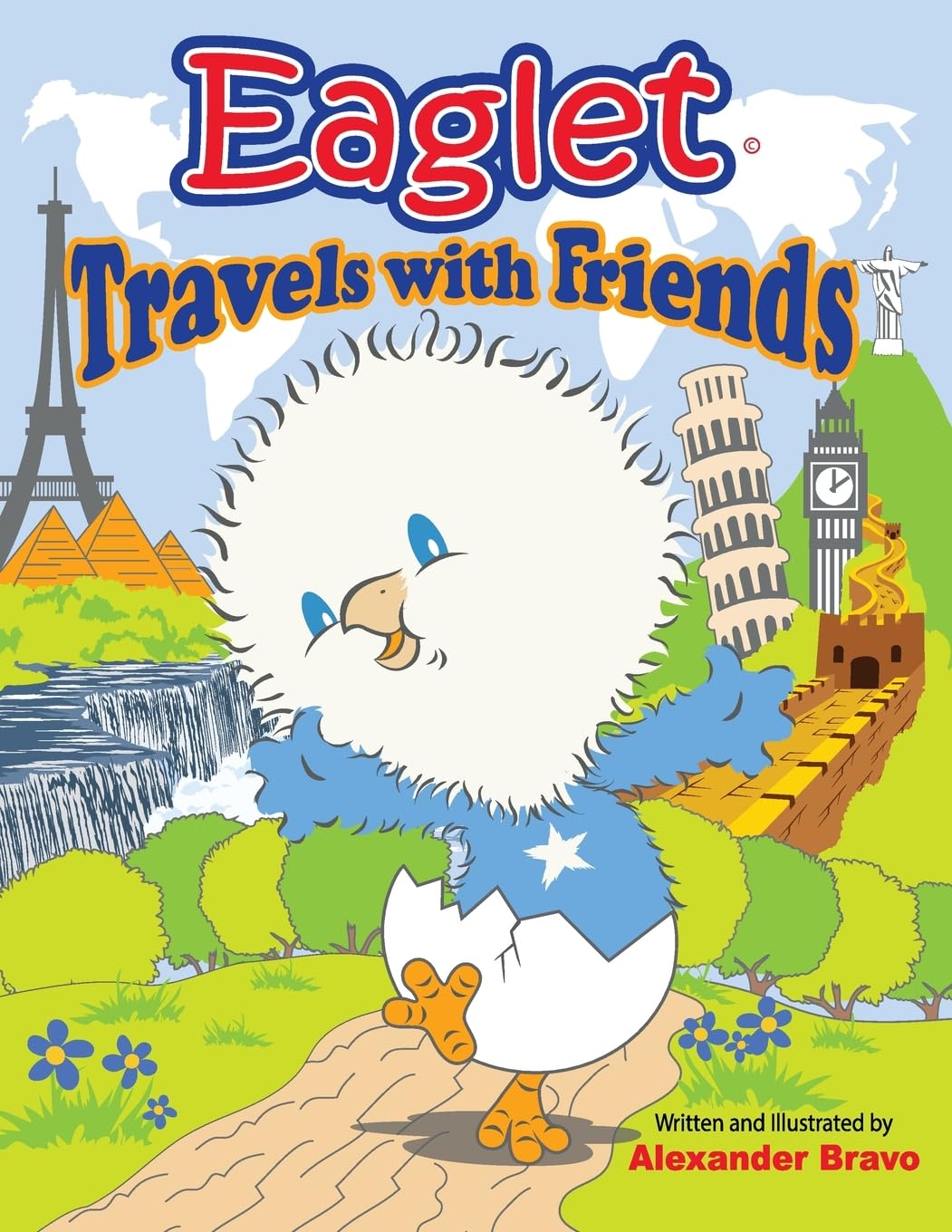
In Eaglet Travels With Friends by Alexander Bravo, a young American bald eagle meets friends from different places. The story gives young readers a way to think about different locations and the people and experiences they may encounter there.
Characters Make Problems Easier to Understand
Adventure stories usually give characters something to solve. They may need to find their way, make a decision, help a friend, or understand something unfamiliar.
Children can think about what they would do in the same situation. This encourages them to consider different solutions rather than simply waiting for the character to solve the problem.
Parents can make reading more interactive by asking, “What would you do?” or “What do you think should happen next?”
Adventure Books Can Teach Problem-Solving
Problems are an important part of childhood learning. Adventure stories can present challenges in a way that feels entertaining rather than instructional.
A character might face a difficult choice or discover that their first plan does not work. Young readers can watch the character think, adjust, ask for help, and try again.
These situations can help children understand that solving a problem may require patience and several attempts.
Friendship Adds Emotional Interest
Many adventure stories involve friendships. Characters may depend on one another, disagree, help each other, or learn to work together.
For young readers, these relationships can make a story feel familiar. Children understand what it means to have a friend, share an activity, solve a disagreement, or help someone who needs support.
Stories that combine adventure with friendship can therefore give children both an interesting plot and relatable social situations.
Adventure Encourages Questions
A good adventure story can leave children with questions about the places, people, animals, and events they have read about.
A child reading about an unfamiliar country may want to find it on a map. A story about an animal may lead to questions about its habitat. A character who speaks another language may encourage a child to learn a few words.
Parents can use these questions as starting points for further reading and family discussions.
Reading Becomes an Active Experience
Adventure books give children reasons to predict, question, imagine, and think about choices. They are not simply receiving information; they are following characters through situations and considering what might happen.
This can make reading feel active and personal. Children may remember a fact because it was connected to a character or event in a story.
Final Thoughts
Adventure books appeal to young readers because they combine action, curiosity, characters, and problems that need to be solved. They can also introduce children to new places, cultures, animals, and ideas without making learning feel like a formal lesson.
When parents choose adventure stories with thoughtful characters and age-appropriate themes, reading can become both enjoyable and educational. Books such as Eaglet Travels With Friends show how a story involving friendship and different places can give children plenty to think about while they read.




