
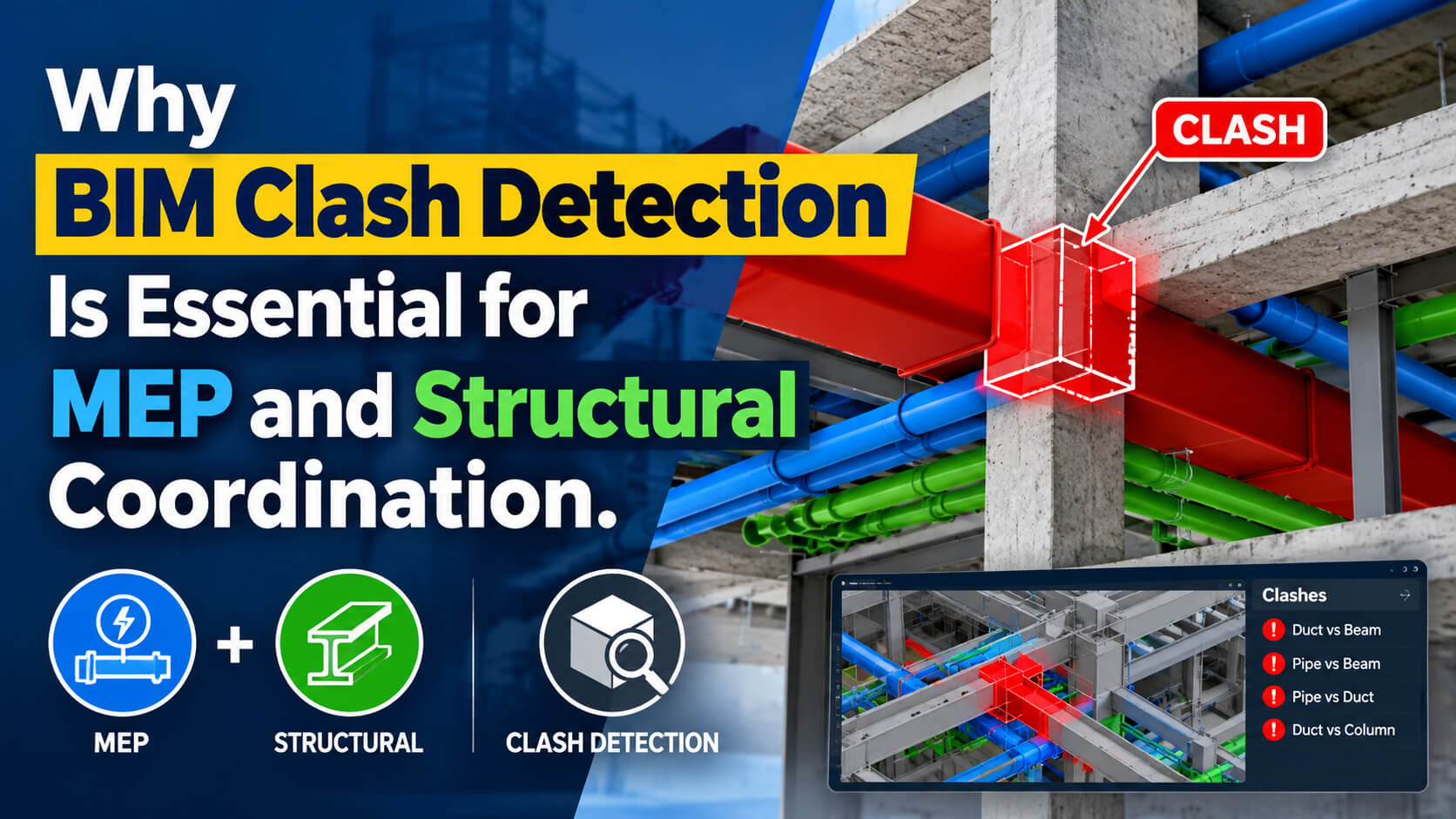

Constructing a modern building requires managing thousands of moving parts. Architects, structural engineers, and systems contractors all work simultaneously to bring a design to life. When these different disciplines operate in silos, the risk of physical overlap between building components skyrockets. A plumbing pipe might be routed directly through a primary steel beam, or an HVAC duct could intersect with essential electrical conduits.
Building Information Modeling (BIM) has completely transformed how teams approach these complex projects. Instead of relying on flat, two-dimensional drawings, project teams now build a comprehensive digital twin of the facility before anyone pours a single yard of concrete. This digital environment allows professionals to see exactly how their specific systems fit within the overall structure.
Within this digital ecosystem, finding and resolving design conflicts early is crucial. Leaving these issues undiscovered until the construction phase leads to massive delays, wasted materials, and blown budgets. By identifying overlaps in the digital model, teams can adjust their designs proactively, ensuring a smooth and efficient physical build.
What is BIM Clash Detection?
BIM clash detection is the automated process of identifying where two or more building components intersect or interfere with one another within a 3D model. Specialized software scans the combined models from different disciplines to pinpoint these spatial conflicts.
A clash occurs when elements take up the same physical space. For example, a structural column might clash with an exhaust fan. The software categorizes these issues into different types, such as hard clashes (physical intersections) and soft clashes (elements placed too close together, violating clearance requirements). By highlighting these exact locations, the software provides a clear map of what needs to be fixed before construction begins.
Why Clash Detection is Essential for MEP and Structural Coordination
Mechanical, Electrical, and Plumbing (MEP) systems are the central nervous system of any building. They require significant space and intricate routing to function correctly. Coordinating these systems with the rigid, immovable elements of a building’s structural framework is notoriously difficult.
Without clash detection, structural and MEP teams often discover spatial conflicts on the job site. A contractor might arrive to install custom-fabricated ductwork only to find a load-bearing wall blocking the path. Fixing this requires halting work, sending the issue back to the design team, and potentially ordering new materials. This reactive approach creates a domino effect of delays that impacts every subsequent phase of the project. BIM Clash Detection Services eliminates this guesswork by forcing alignment during the pre-construction phase.
Benefits of BIM Clash Detection
Catching errors in a digital environment provides immense value to project owners and contractors alike. The advantages extend far beyond simple problem-solving.
Saves Time and Costs
Rework is one of the most expensive aspects of construction. When teams have to tear down and rebuild structures or order replacement parts, labor and material costs multiply. Clash detection prevents these expensive on-site fixes. It keeps the project schedule intact by ensuring that contractors can install their systems exactly as planned the first time.
Enhances Team Collaboration
A combined BIM model serves as a single source of truth for all project stakeholders. When a clash is detected, the software generates a report that brings the architect, structural engineer, and MEP contractors to the same table. They can view the exact issue in 3D and work together to find a mutually beneficial solution, fostering a culture of teamwork rather than finger-pointing.
Improves On-Site Safety
Unexpected field modifications often force workers to perform rushed, ad-hoc installations. This compromises safety protocols and increases the risk of accidents. A fully coordinated, clash-free model ensures that workers can follow standard installation procedures in a predictable, controlled environment.
Implementing Clash Detection
Successfully running clash detection requires a structured approach. Here is how teams typically navigate the process:
1. Model Federation
First, individual teams create their respective 3D models (architectural, structural, and MEP). These distinct models are then imported into a single, federated model using specialized clash detection software.
2. Running the Clash Test
The BIM coordinator sets specific parameters and tolerances for the test. They instruct the software to check for conflicts between specific systems, such as plumbing versus structural steel. The software then processes the data and generates a detailed list of clashes.
3. Review and Resolution
The coordination team reviews the automated report. They evaluate each clash to determine which discipline needs to adjust their design. Once the agreed-upon changes are made in the native authoring software, the models are updated, and the test is run again to verify the resolution.
Best Practices for a Seamless Process
Maximizing the value of clash detection requires more than just buying the right software. Teams must adopt reliable workflows to ensure nothing falls through the cracks.
Regular model audits are vital. Project managers should schedule routine coordination meetings where updated models are combined and tested. Waiting too long between tests leads to a massive backlog of clashes that can overwhelm the team. Clear communication is equally important. When a clash is assigned for resolution, there must be a defined timeline and an accountable party.
For many firms, managing this process internally is a heavy lift. Partnering with experts like Chudasama Outsourcing to provide dedicated BIM clash detection services ensures that the federated models are managed by experienced professionals. This allows the core design and construction teams to focus on their primary responsibilities while resting assured that spatial conflicts are being expertly handled.
Securing the Future of Your Construction Project
Building physical structures in the modern era demands rigorous digital preparation. Identifying and resolving overlaps between heavy structural components and complex MEP systems prevents budget overruns and timeline disruptions. By prioritizing early conflict resolution, construction teams guarantee a smoother workflow, enhanced safety, and a higher quality final product.
Investing in robust coordination strategies is the smartest way to protect your project’s bottom line. Start integrating comprehensive clash testing into your pre-construction planning today to experience the true efficiency of digital construction.



