Physical Address
304 North Cardinal St.
Dorchester Center, MA 02124
Physical Address
304 North Cardinal St.
Dorchester Center, MA 02124

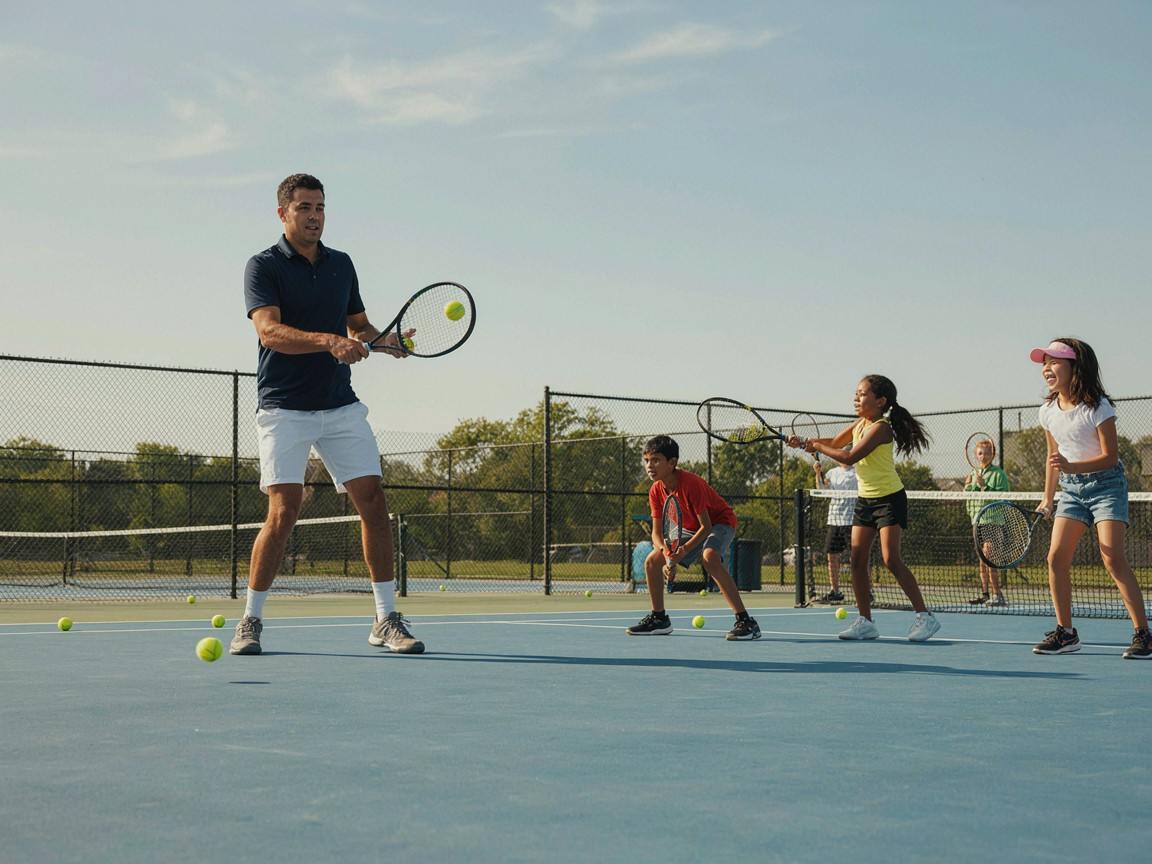
For young athletes, summer offers something that the regular school year often cannot: more time to focus on development. With school schedules on pause and longer days available, families can create a consistent routine that gives children more opportunities to learn, practice, compete, and enjoy the game.
That makes summer an excellent season for tennis training for kids. Whether a child is picking up a racket for the first time or already competing in junior tournaments, a well-planned summer program can help develop technical skills, athletic ability, confidence, and a lasting appreciation for tennis.
Good tennis development starts with the basics. Grip, balance, footwork, swing mechanics, serving technique, and court positioning all need repetition before they become natural.
During the school year, practices may be limited by homework, extracurricular activities, and family schedules. Summer creates more flexibility, allowing young players to spend additional time on these fundamental skills without feeling rushed.
Coaches can also use this extra practice time to identify small technical issues before they become habits. A player who consistently struggles with foot positioning, for example, can dedicate several sessions to movement patterns and recovery steps.
The goal isn’t simply to hit more balls. It is to use additional court time purposefully so that every practice contributes to long-term improvement.
One of the biggest advantages of summer training is consistency. Skill development happens through repeated practice, and regular sessions allow young players to build on what they learned previously.
Instead of practicing one week and taking a long break before the next session, juniors can establish a predictable rhythm. They might work on groundstrokes one day, movement and agility the next, and serve development later in the week.
This approach supports junior tennis development because skills can be introduced, practiced, evaluated, and refined over time.
Consistency also helps players understand that improvement doesn’t happen overnight. They begin to recognize the relationship between effort and progress, which is a valuable lesson that extends beyond tennis.
Tennis requires much more than racket skills. Young players need coordination, speed, balance, reaction time, endurance, and the ability to change direction quickly.
A quality summer program can combine tennis instruction with age-appropriate athletic training. Short movement drills, agility exercises, dynamic warmups, and coordination activities can help young athletes become more comfortable moving around the court.
This is particularly important for growing players. As children become taller and stronger, their movement patterns naturally change. Regular training gives coaches opportunities to help them adapt their footwork and body control.
The result is a more complete athlete who can move efficiently rather than relying entirely on upper-body strength or simply trying to hit the ball harder.
Practice is important, but players also need experience applying their skills under pressure. Summer can provide more opportunities for friendly matches, competitive play, drills involving scoring, and tournament preparation.
Match experience teaches lessons that traditional drills cannot always provide. Players learn how to manage momentum, respond after making mistakes, make decisions quickly, and stay focused when a match becomes challenging.
For younger players, the emphasis should remain on learning rather than winning every match. Coaches can help them focus on controllable goals, such as moving their feet, maintaining good court position, or using a particular shot during competition.
These experiences gradually build confidence and help children become more comfortable with the competitive side of tennis.
A child doesn’t need to become a tournament champion to benefit from summer tennis. One of the most valuable outcomes of consistent training is increased confidence.
Imagine a young player who struggles to serve over the net at the beginning of summer. After several weeks of instruction and practice, that same player begins serving consistently. That small improvement can create a powerful sense of accomplishment.
Tennis gives children frequent opportunities to see progress firsthand. They learn to set goals, work through frustration, and recognize improvements that may initially seem small.
A positive coaching environment is especially important. Young athletes should feel comfortable making mistakes because mistakes are a normal part of learning. When players understand that errors are opportunities to improve, they are more likely to take on new challenges.
Perhaps the most important part of summer training is making sure children actually enjoy the experience. A demanding schedule isn’t automatically a better schedule.
Effective summer tennis training should balance instruction, repetition, competition, recovery, and fun. Young players need enough practice to improve, but they also need time away from the court so their bodies and minds can recover.
Coaches and parents can help by setting realistic expectations. Instead of focusing entirely on rankings or match results, they can celebrate effort, consistency, sportsmanship, and personal improvement.
Summer can also be a great time for children to build friendships through tennis. Group practices and recreational sessions create opportunities to learn alongside other players while developing communication and teamwork skills.
Ultimately, the best summer program is one that helps a child finish the season with better skills and a stronger desire to keep playing.
For families looking at tennis training for kids, summer provides a valuable window for focused development. With consistent practice, thoughtful coaching, athletic preparation, and plenty of opportunities to enjoy the game, young players can make meaningful progress while building habits that support their tennis journey for years to come.